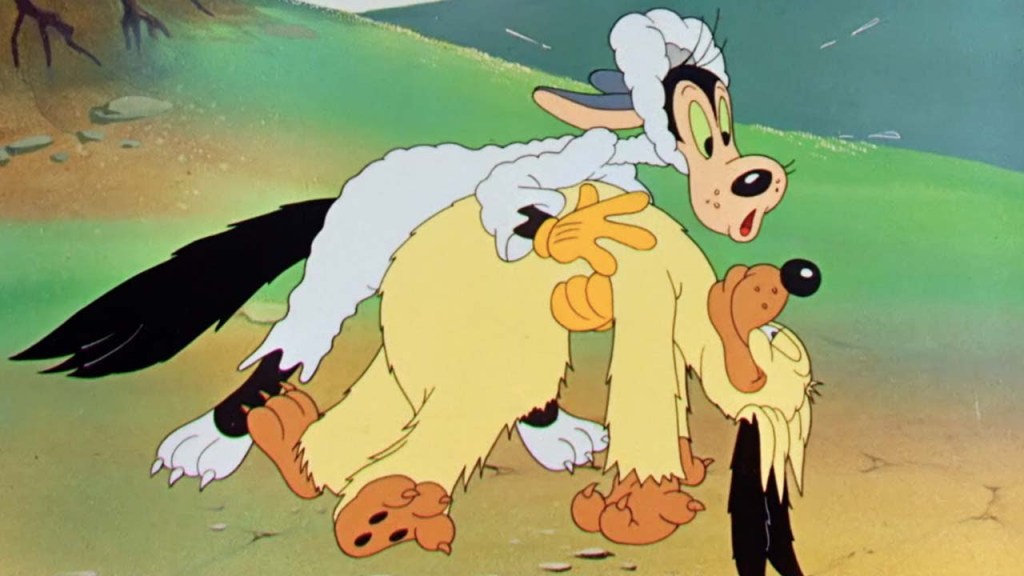
In 1930, based on the success of Walt Disney Productions’ Silly Symphonies animated shorts, Warner Bros started to produce its own rival range of films. Utilising the company’s extensive library of music, these Looney Tunes combined pre-existing music and new animation to make entertaining – typically comedic – cartoons that could be screened before feature films in the cinema. A sister series, Merrie Melodies, was launched in 1931 and used colour animation. Once the Looney Tunes shifted to colour themselves, the two series were effectively interchangeable. Between 1930 and 2014 they ran for more than 1,000 shorts.
It is such a rich collection of theatrical shorts, whose directors were among America’s most influential and significant, and whose recurring characters have become some of the most popular and enduring in the world. I am an enormous fan of the series since childhood, and so I have decided to start looking back on individual shorts from over the complete Looney Tunes history. Let us begin with Friz Freling’s “The Sheepish Wolf”, first released on 17 October 1942.
In “The Sheepish Wolf”, a gullible sheepdog watches over a flock of sheep, while a rival wolf enacts a series of plans to steal away and eat one of them. If the format sounds vaguely familiar, it is because fellow Looney Tunes director Chuck Jones was inspired by this short when he made 1953’s “Don’t Give Up the Sheep”. That short was the first of seven featuring Sam the Sheepdog and Ralph the Wolf, depicting their back and forth battle over the sheep as a regular shift-work job. The apparent enemies only attack each other from when their shift whistle blows to when they clock off at the end of the day.
It is a far more conventional set-up here, and with radically different ideas of the sheepdog and the wolf. The sheepdog is amiable but rather foolish and gullible. The wolf, who is styled much more in line of the various Looney Tunes “big bad wolf” characters, quotes Shakespeare and pontificates like an intellectual. The comedy derives from individual gags more than the characters. The short also shows its age rather with the slightly racist depiction of a black sheep among the flock; when watching animation that is more than 80 years old, dated content becomes par for the course.
There are a few laugh-out-loud moments – a segue into a “Red Riding Hood” set-up leads to a great punchline – but in the end “A Sheepish Wolf” has to be taken in its historical context. The famous Looney Tunes of the 1950s that established its best reputation had not yet been made, and their specific styles and rhythms yet to be developed. It is funny stuff, but it is best remembered now for the better shorts that it later inspired.




Leave a Reply