Tomorrow Disney releases Moana, the latest in a seemingly endless stream of glossy big-budget remakes of their animated features. When they find their audience these films can mean big business for the company’s theatrical revenue. When they fail, they can cost Disney as much as a hundred million dollars in losses.
I am pretty much of the opinion that these films are for the most part a sort of crude capitalist vandalism of Disney’s most iconic cultural icons – but are they are just uniformly terrible? Let us have a quick run through those remakes released to date, ranking them from worst to best. Consider this your remake homework before their latest attempt.
A little housekeeping note: while Disney made a live-action Jungle Book in 1994 and a pair of 101 Dalmatians films in 1996 and 2000, this countdown is focused on 2010’s Alice in Wonderland and subsequent films. Let’s dive in.
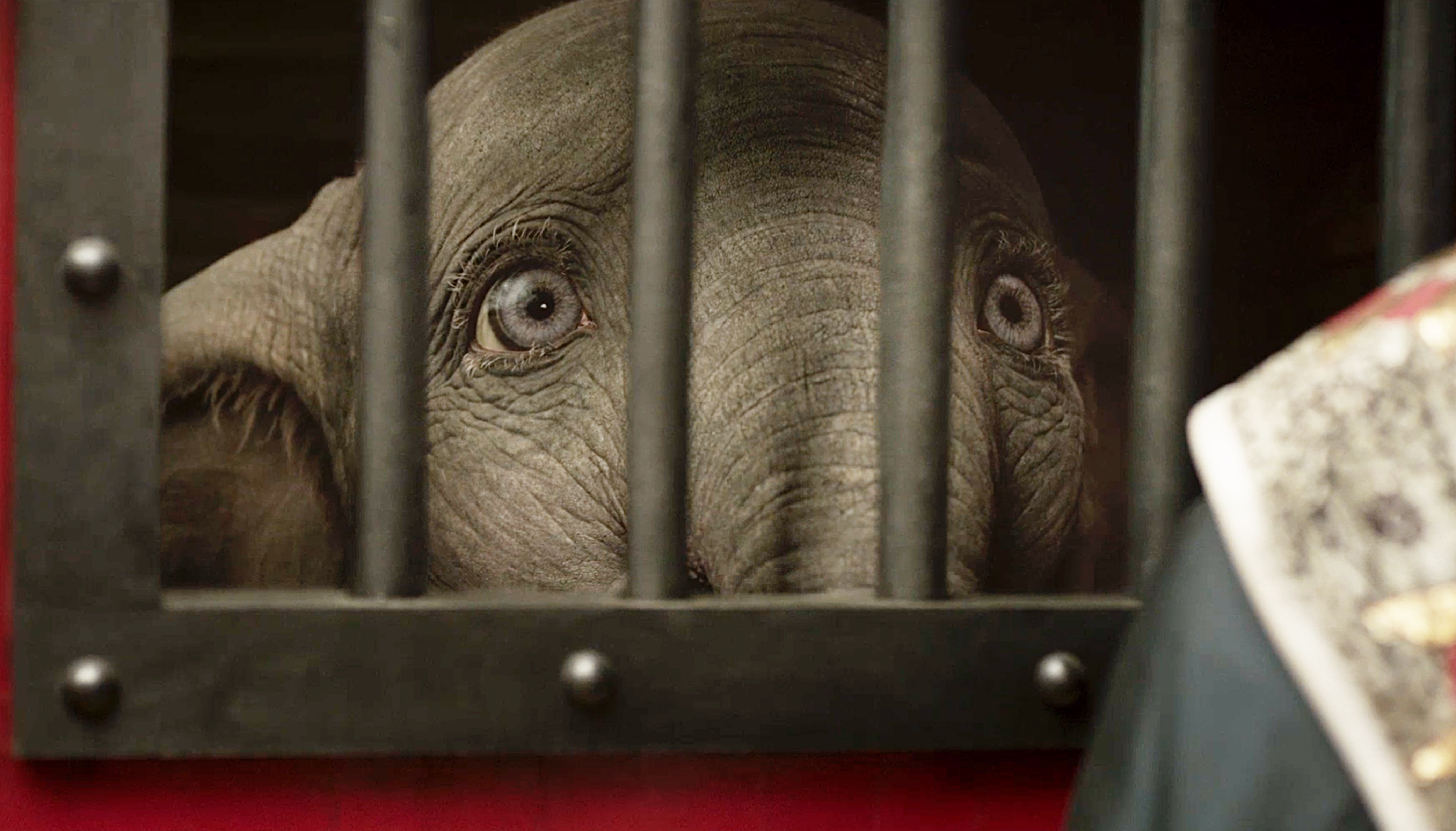
20. Dumbo (2019, d. Tim Burton.)
Hands down the worst film to emerge from Disney’s remakes trend, ironically directed by the very filmmaker that kicked them off in 2010. Tim Burton’s Dumbo takes a winning cast and an absolutely delightful source material, and fundamentally wastes them. It is charmless, deeply ordinary nonsense. It is also – and this is a key problem with the entire range – liberally soaked in over-ambitious, unconvincing computer-generated imagery. It is why I struggle with references to these films as ‘live-action’ remakes. Human actors aside, these are essentially animated movies.

19. Alice Through the Looking Glass (2016, d. James Bobin.)
Tim Burton’s earlier remake Alice in Wonderland was not entirely without its charms. This leaden sequel, helmed by The Muppets‘ James Bobin, keeps everything that was poor about Burton’s film and abandons much of what worked. The focus on Johnny Depp’s risible and mannered Mad Hatter is, in particular, the kiss of death.
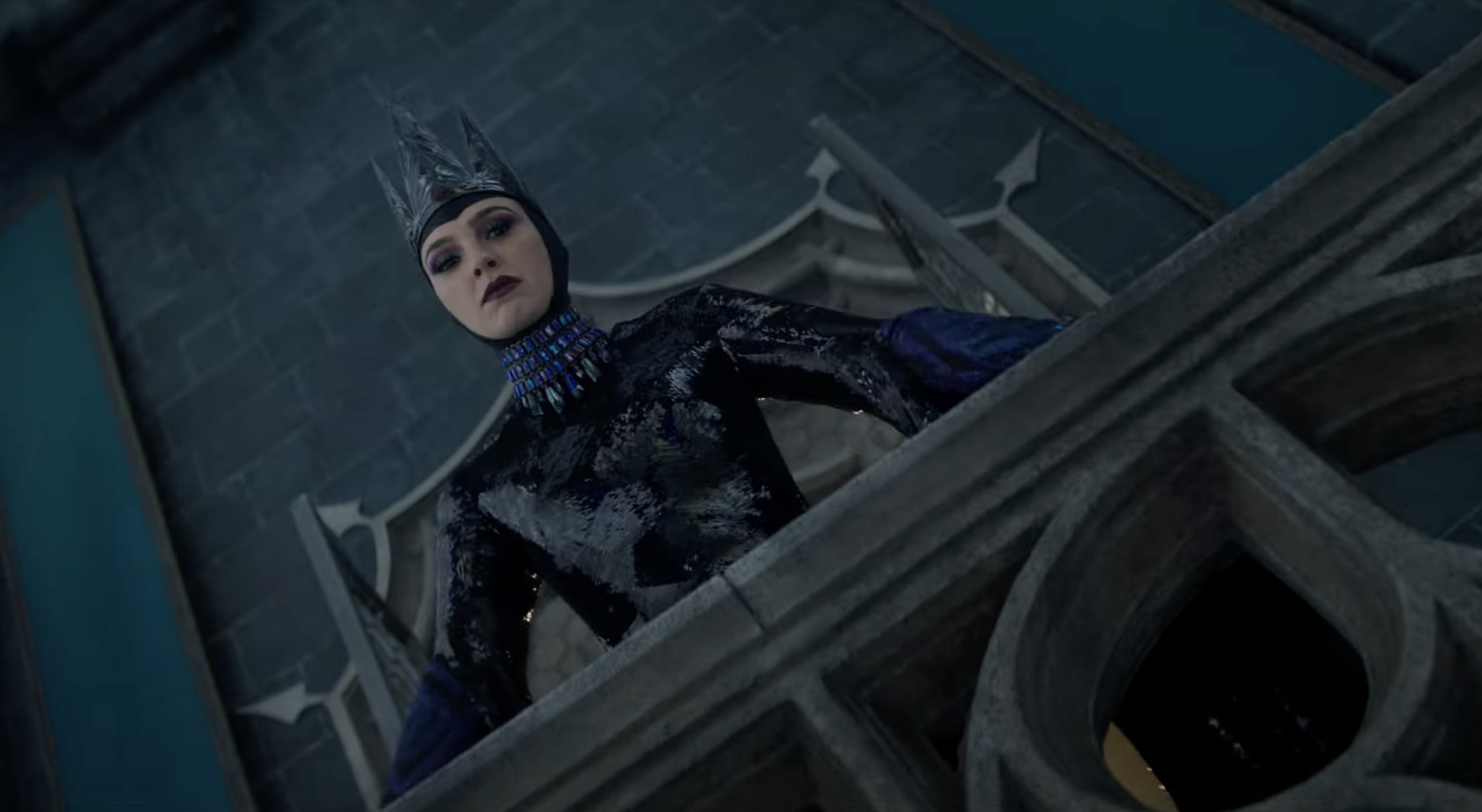
18. Snow White (2025, d. Marc Webb.)
Marc Webb’s famously troubled remake of Walt Disney’s first-ever animated feature feels less like a misfire and more like sacrilege. Liberally soaked in charmless CGI, populated by the worst kind of uncanny-valley characters, and costumed like a sorority Halloween party, this film performs the astonishing feat of costing more than a quarter of a billion dollars to make yet looks embarrassingly cheap.

17. Pinocchio (2022, d. Robert Zemeckis.)
It is perhaps a clear sign of just how far Robert Zemeckis’ star has fallen that this remake, directed by the creative genius behind Back to the Future and Who Framed Roger Rabbit – was relegated by Disney out of cinemas altogether and dumped unceremoniously onto streaming service Disney+. There is nothing egregiously awful about Pinocchio, but at the same time it is hard to imagine a more dispirited, soulless, and pedestrian attempt.
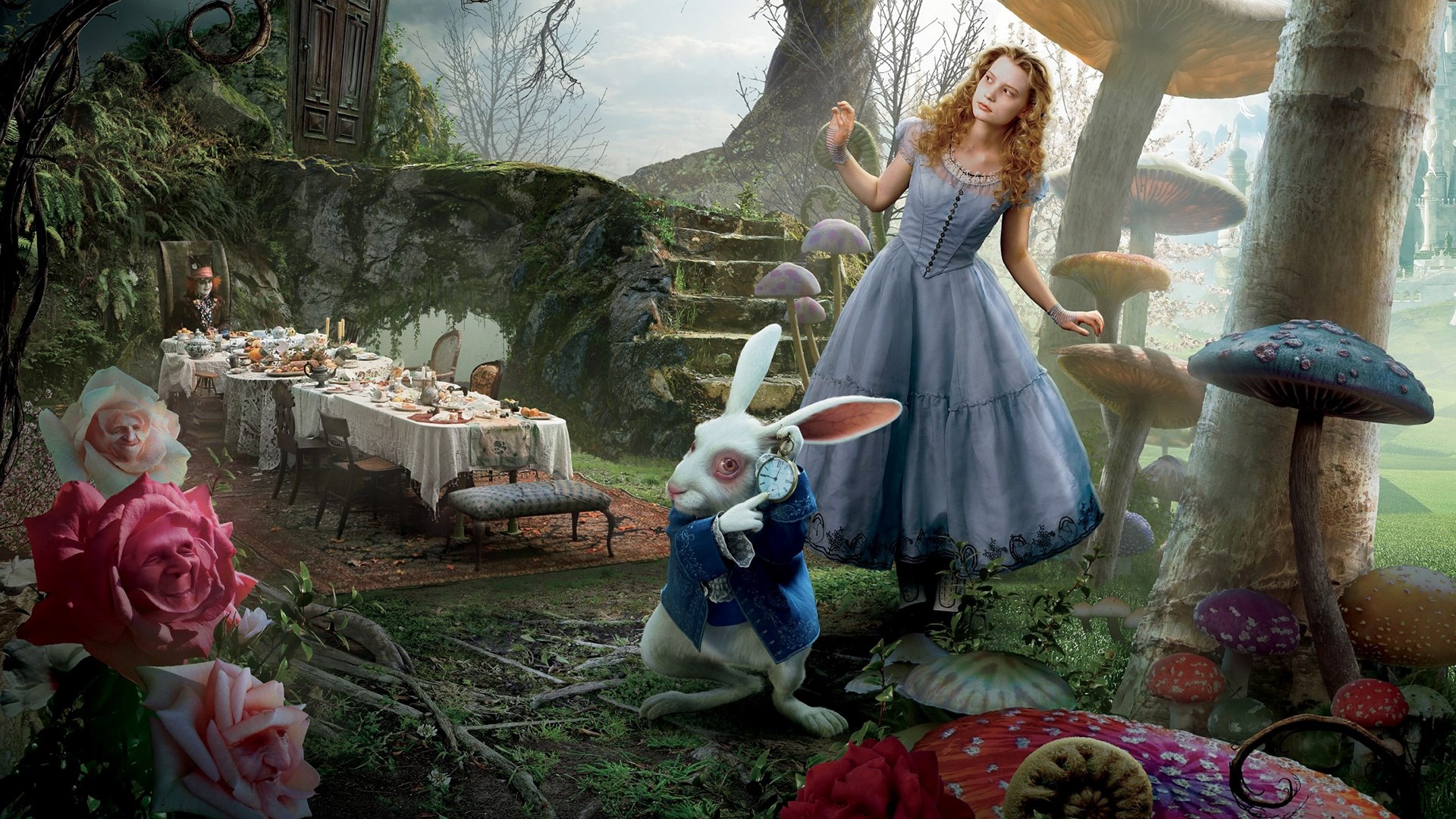
16. Alice in Wonderland (2010, d. Tim Burton.)
The remake that kicked off the entire phenomenon of the past 16 years was a huge hit at the time, but has aged terribly. Some elements of Tim Burton’s film feel inspired, and Mia Wasikowska makes for a tremendous Alice, but so many other parts feel unconvincing and trite. The film represents the high point of Johnny Depp’s blockbuster popularity, and ironically a near-low point in terms of his replacing actual performances with eccentric, mannered mugging for the camera. On the other hand, Danny Elfman’s musical score is an absolute delight.
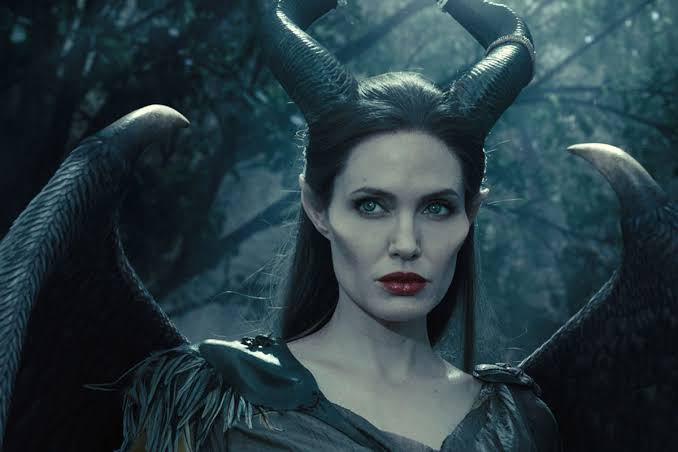
15. Maleficent: Mistress of Evil (2019, d. Joachim Rønning.)
Not specifically awful in any way, but like many sequels Maleficent: Mistress of Evil simply fails to capture the strengths of the preceding film. There is a strong cast here, and huge potential, but in the hands of replacement director Joachim Rønning – who, between this, Tron: Ares, and Pirates of the Caribbean: Dead Men Tell No Tales – appears to be Disney’s go-to guy for underwhelming sequels.

14. Peter Pan and Wendy (2023, d. David Lowery.)
Steeped liberally in the sorts of CGI backgrounds that prevent its human cast from feeling in any way grounded, David Lowery’s take on both the J.M. Barrie play and novel and the Disney animated adaptation is a slow-paced, rather listless bore. As with Pinocchio, this one was punted onto Disney+ and largely missed by audiences. It isn’t awful, but it is weirdly ordinary.
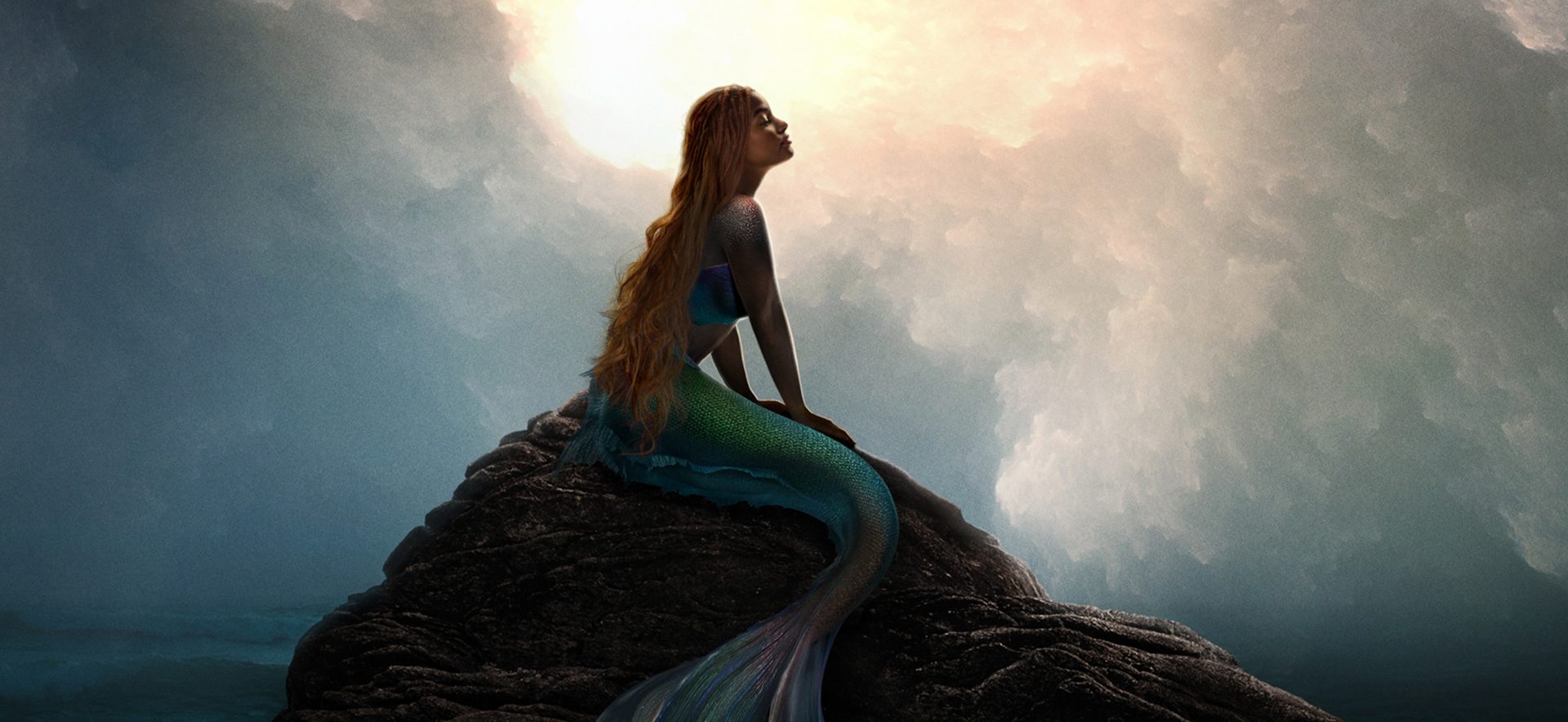
13. The Little Mermaid (2023, d. Rob Marshall.)
In many respects this Rob Marshall remake of the animated classic is an ambitious effort that takes some risks and tries to chart its own course by comparison. The Caribbean theme that infuses this version is rather interesting, although it wobbles a little in terms of implied colonialism. A new song by Alan Menken fits in quite well. Halle Bailey does an impressive job as Ariel. Melissa McCarthy is essentially given a poisoned chalice as Ursula the villainous sea witch: there’s nothing in live-action that could top the animated version or Pat Carroll’s voice work. The film is, I think, a creative failure, but it at least fails in interesting ways.
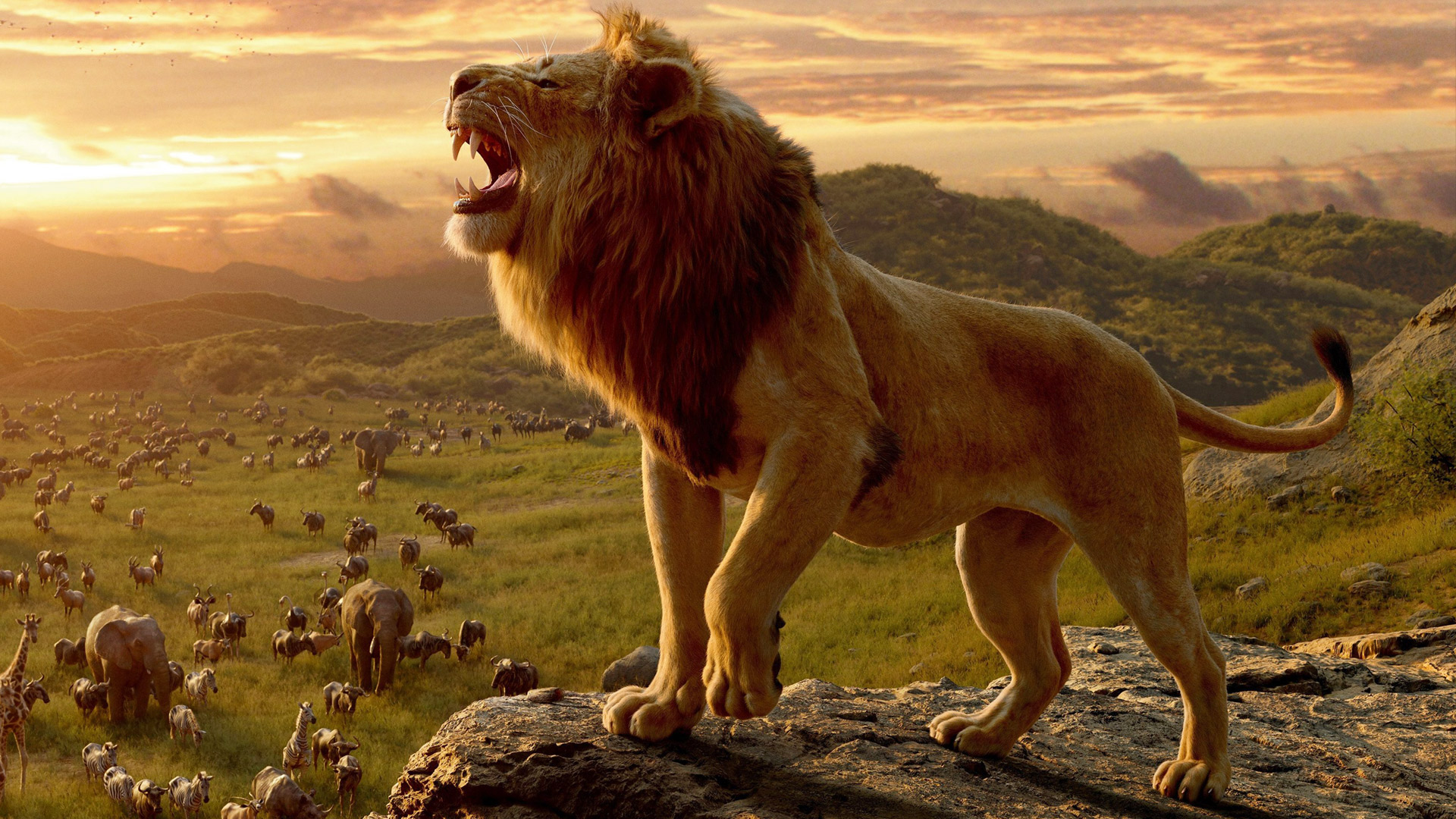
12. The Lion King (2019, d. Jon Favreau.)
This is sort of the opposite of The Little Mermaid: while that was an interesting failure, The Lion King is essentially a boring success. Rendered in broadly realistic CGI, this feels almost like a shot-for-shot duplication rather than a film in its own right. It also acts as an unfortunate spotlight on a key problem with Disney’s remakes: how to effectively adapt exaggerated cel-animated characters to the fundamentally realist visuals required to stand alongside human actors or realistic backgrounds? The animal cast in this case wind up essentially charmless.
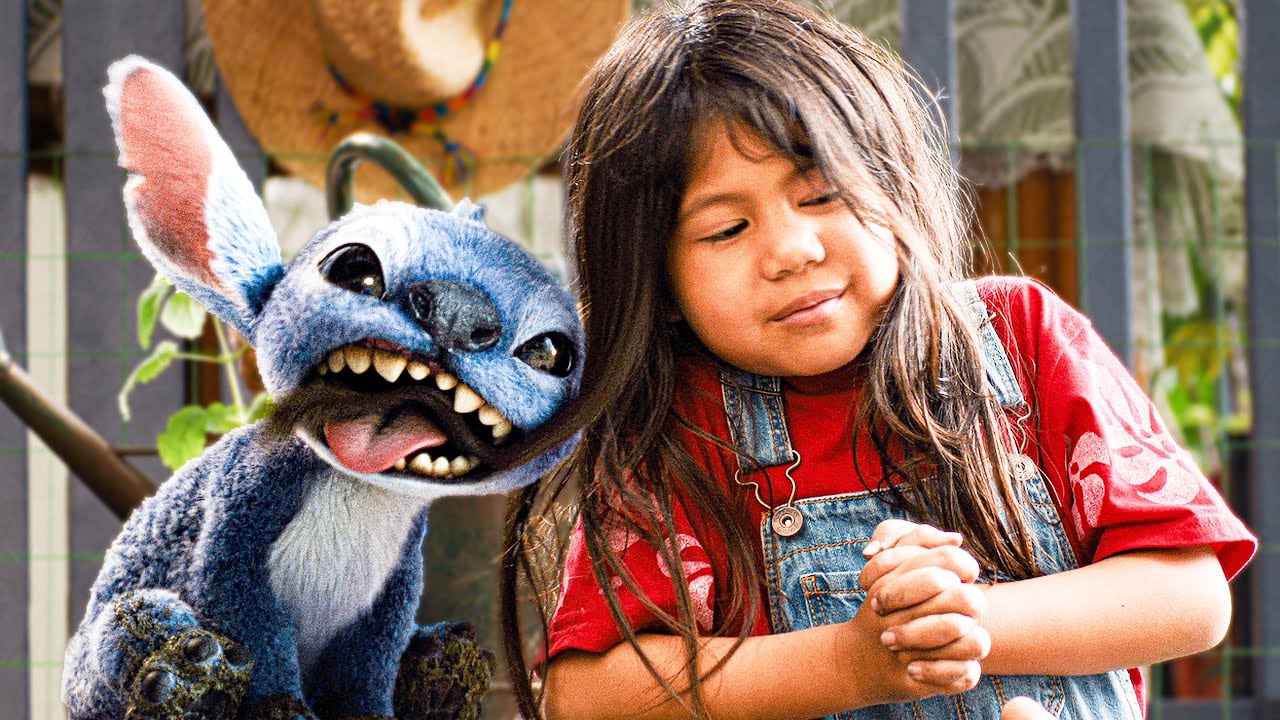
11. Lilo & Stitch (2025, d. Dean Fleischer Camp.)
In its original cartoon form, Lilo & Stitch is very close to a perfect motion picture. It is gut-bustingly funny, rich in character, and boasts particularly strong emotional themes and moments. In short: there is nowhere for a remake to go but down. The plot has been weirdly simplified to the film’s detriment. The pacing feels slow and a bit leaden. Not one joke lands as well as any of those in the original version. This should have been a knockout. Instead it was a little ordinary and mediocre.
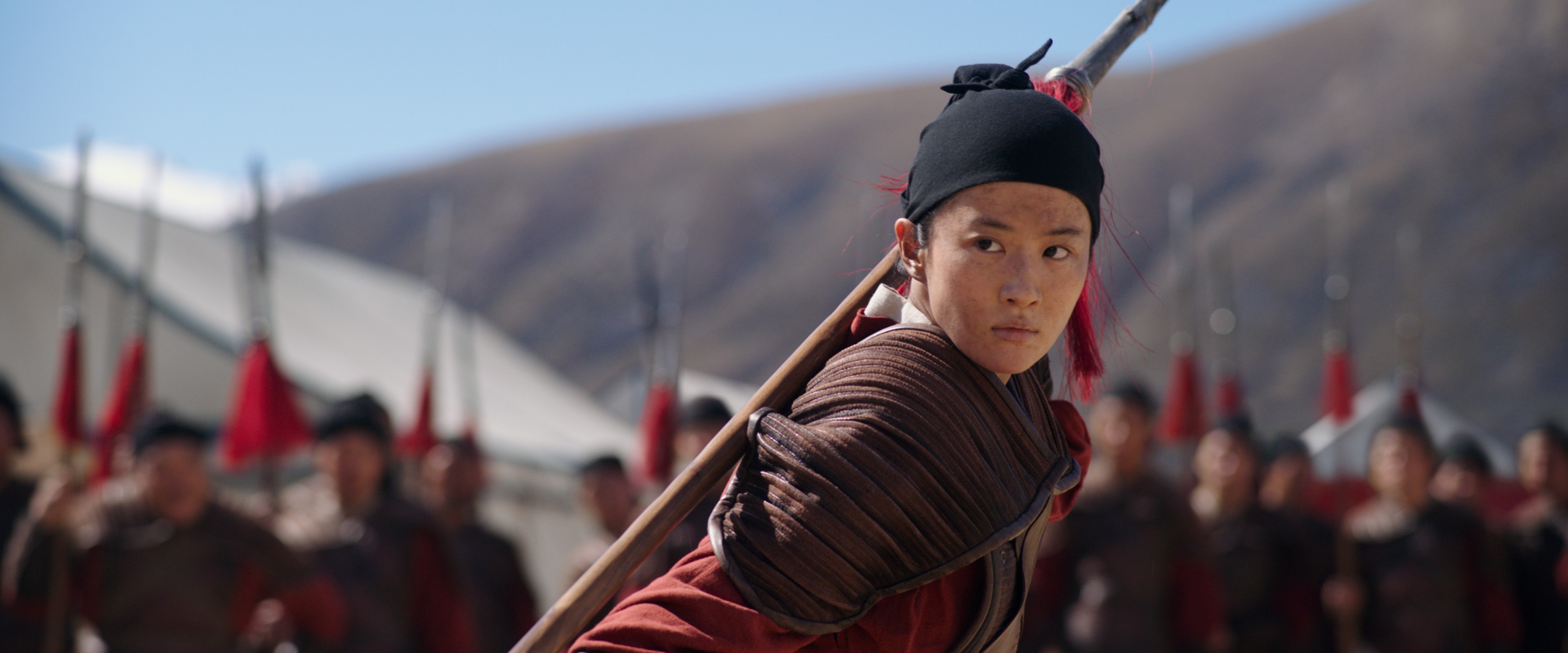
10. Mulan (2020, d. Niki Caro.)
Niki Caro’s Mulan pretty much follows the same course as Lilo & Stitch, in that it takes a very good animated film and transforms it into a middling and somewhat underwhelming copy. Caro does seem to put a lot of work into replicating the wuxia genre of martial swordplay popular in China, to the extent of using Chinese locations and cast, but the result simply feels redundant. There are better Asian epics that this. There are better Asian epics about Hua Mulan than this.
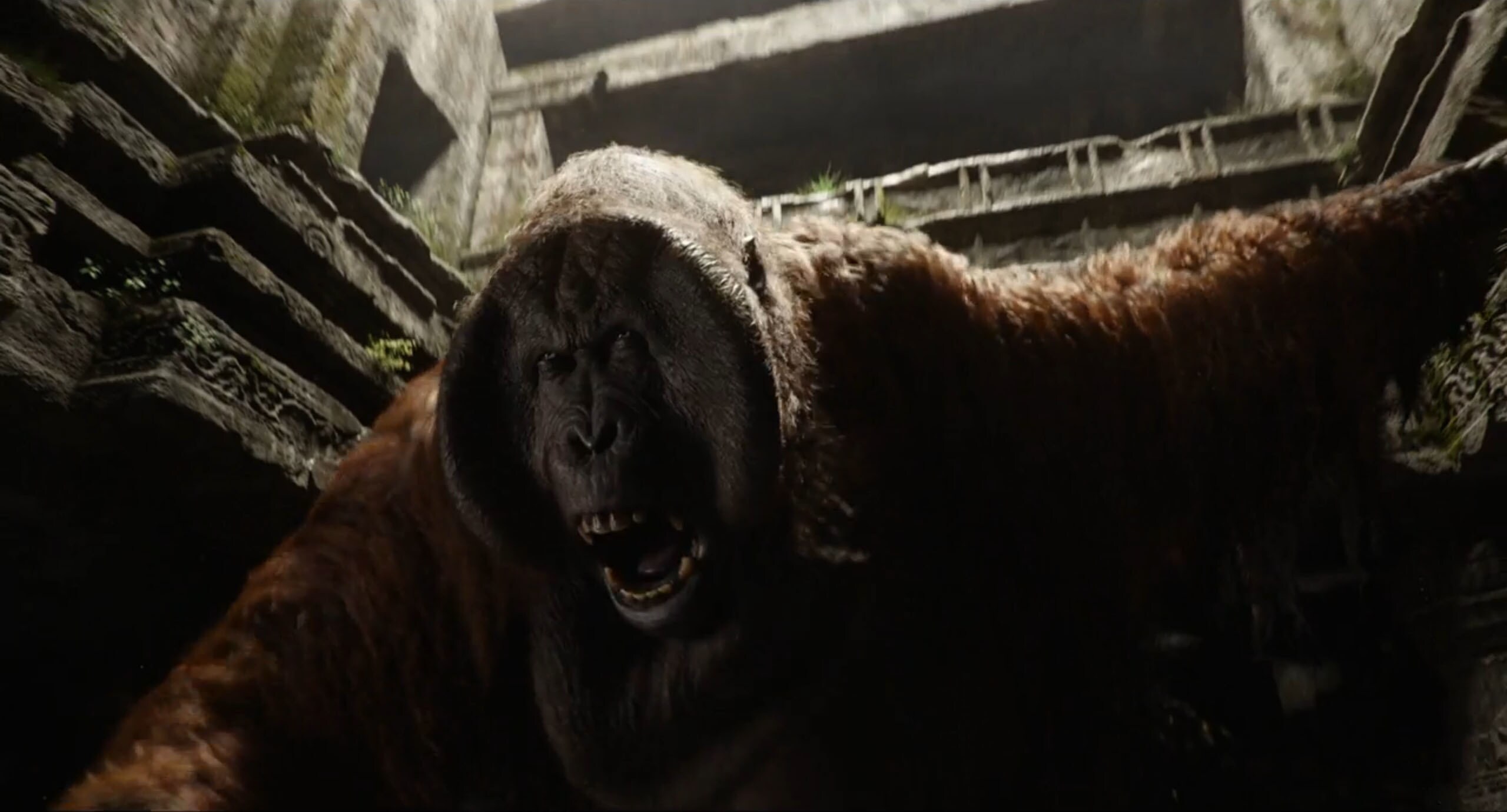
9. The Jungle Book (2016, d. Jon Favreau.)
I tend to give Jon Favreau’s The Jungle Book a bit of praise purely for the choice to reimagine orangutan leader King Louie as a 300kg Gigantopithecus. Elsewhere it duplicates the original with reasonable but excessively utilised CGI. The voice cast is a highlight here: Bill Murray as Baloo, Idris Elba as Shere Khan, Ben Kingsley as Bagheera, and Scarlett Johansson as Kaa.
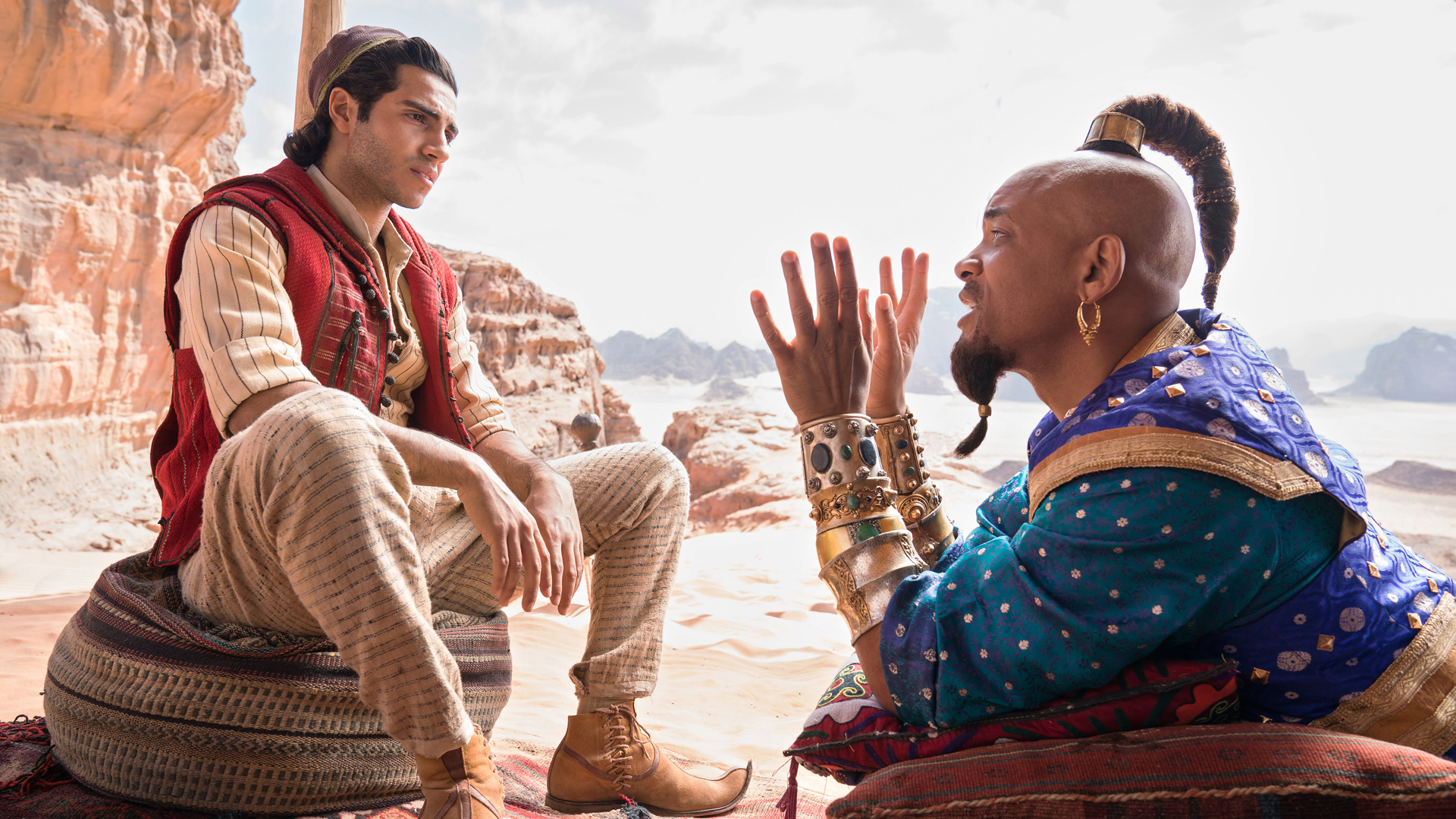
8. Aladdin (2019, d. Guy Ritchie.)
It seemed a horrendous match of director and material at the time, which is why it is still a surprise just how entertaining Guy Ritchie’s Aladdin is. Part of the success is in the tweaks and changes that have been made for this new version. Some racial and cultural problems with the original are tidied up, and Princess Jasmine is given a much stronger character and narrative than in the original. It also smartly avoids making anybody try and replicate Robin William’s famous turn as the Genie: Will Smith plays a version of the character much better tailored to his own talents and strengths.
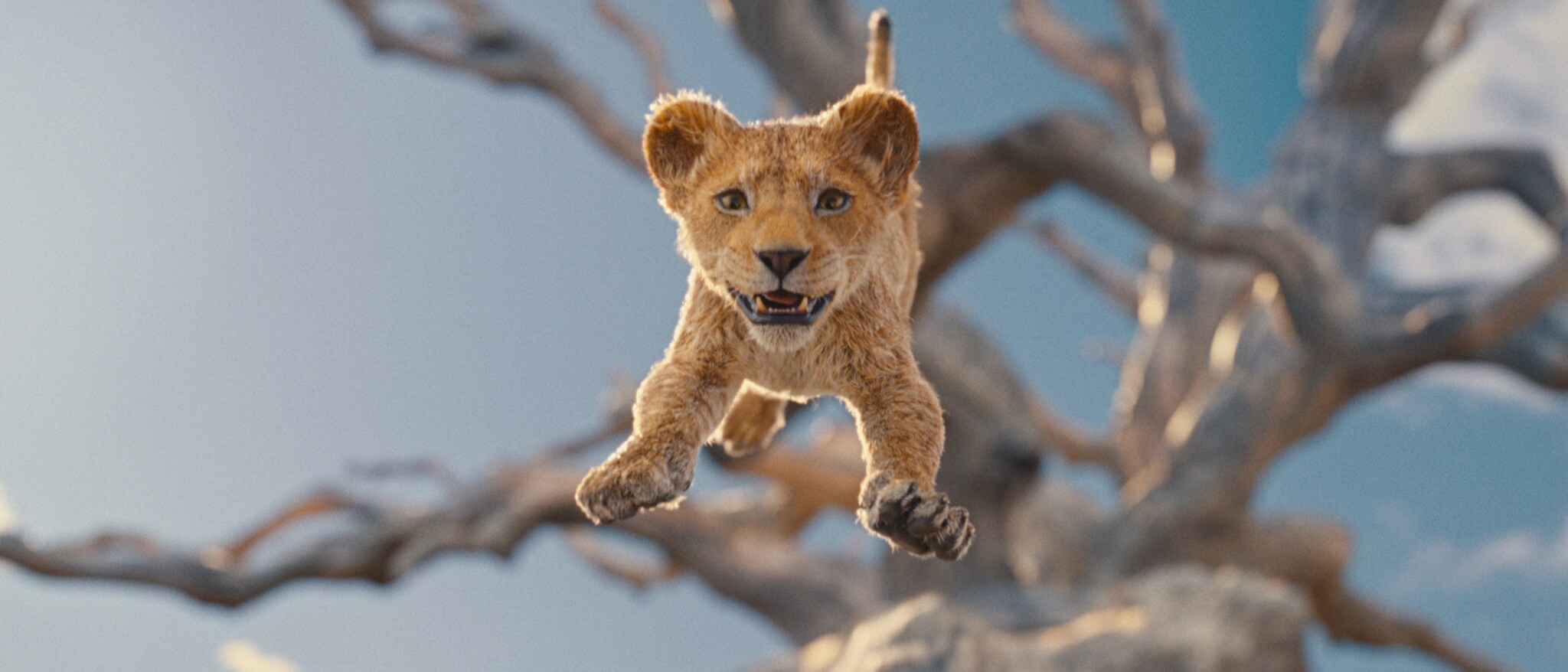
7. Mufasa: The Lion King (2024, d. Barry Jenkins.)
This is still a perplexing project, and it ultimately works far better than it should. A prequel to Jon Favreau’s CGI Lion King, it tells a better story than I expected – although Scar suffers somewhat getting shoehorned into the plot in the way he is. Genuine care has been taken with the cinematography here, which may seem an odd compliment to a CGI feature but it is really apparent how much effort was made to be a real film and not just a cash-in prequel.
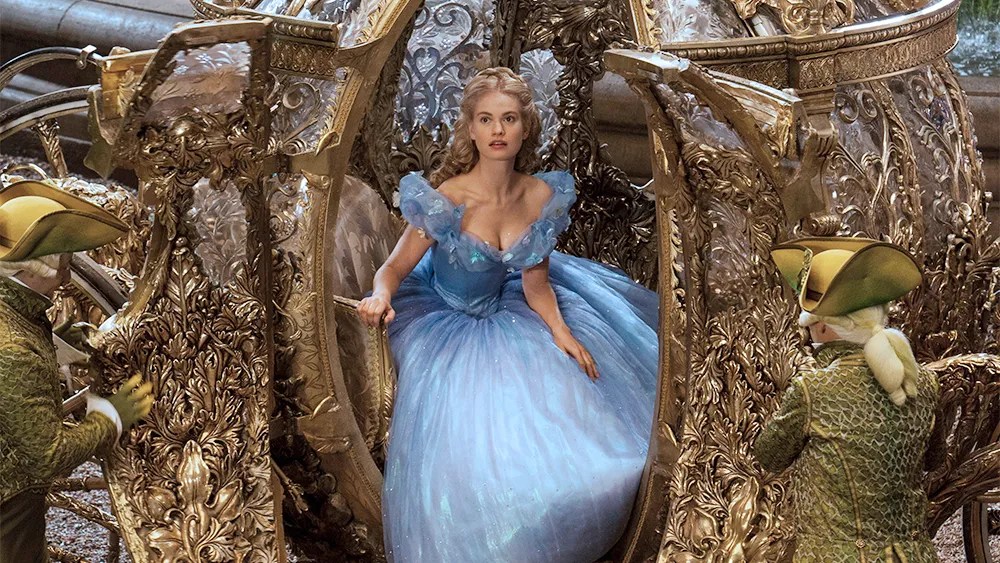
6. Cinderella (2015, d. Kenneth Branagh.)
These earlier remakes benefit enormously from taking a much looser fidelity to the source. While regularly bouncing off the key elements of the animated version, Kenneth Branagh’s charming fairy tale finds a way to also tell its own version of the Cinderella story. If it has a problem by comparison it’s not actually with the animated film: it’s with the Drew Barrymore-starring Ever After, which already achieved its creative goals with greater success in 1998.
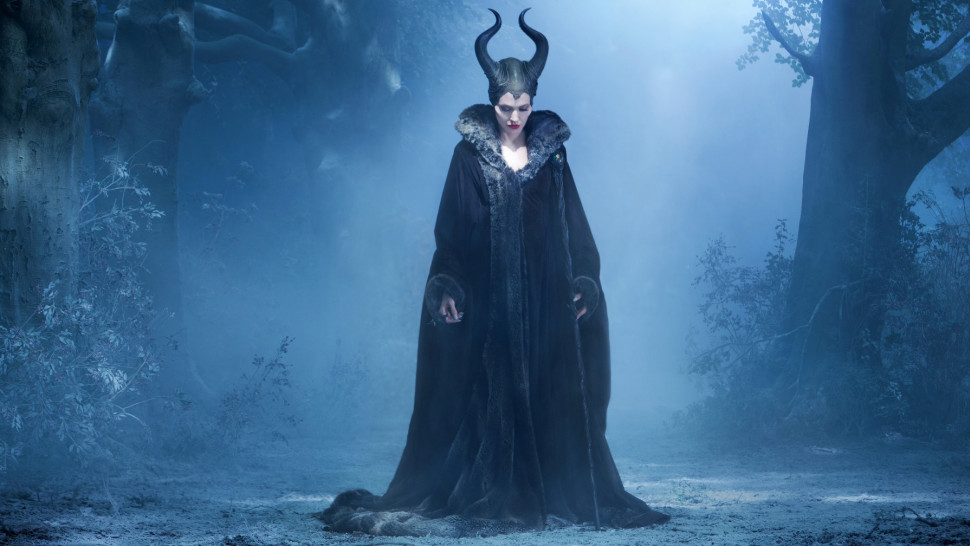
5. Maleficent (2014, d. Robert Stromberg.)
It is difficult to sufficiently emphasise just how much the success of Maleficent is down to the striking appearance of Angelina Jolie as the iconic Sleepy Beauty villain. The film itself is a satisfying revisionist take on the character, a strategy that works so well it is strange that Disney have not attempted remakes like it more often. Frankly the entire series of remakes would have been stronger with less fidelity to their sources.
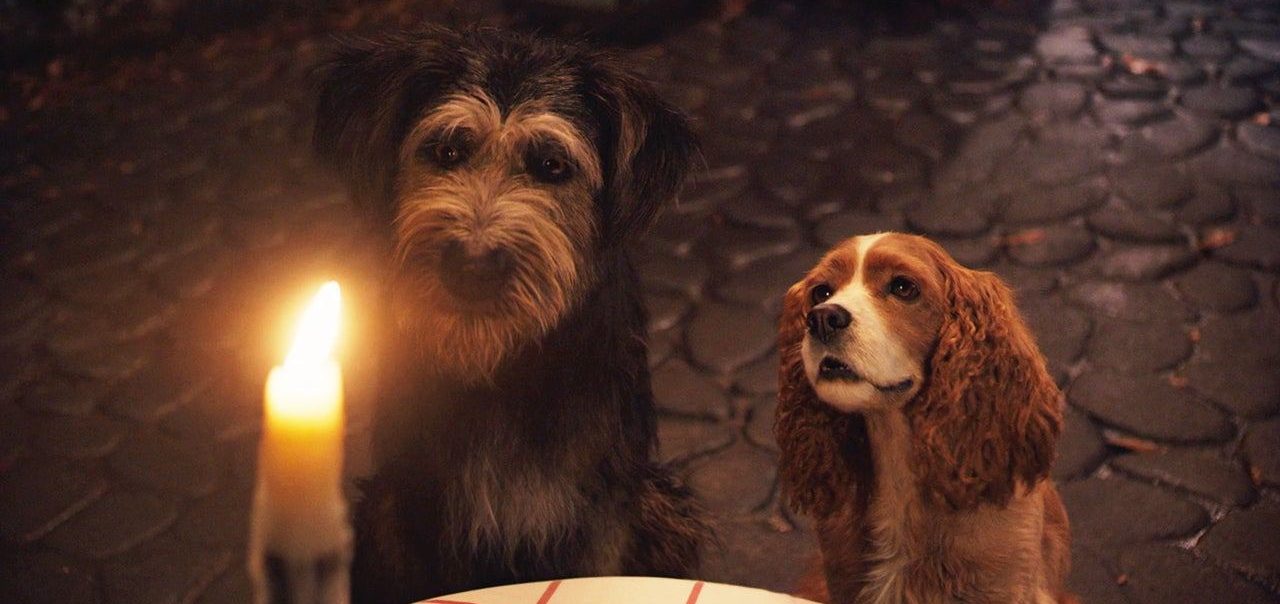
4. Lady and the Tramp (2019, d. Charlie Bean.)
It is strange that Disney released five separate remakes in 2019, and far and away the best one was the one they relegated to Disney+. This is the only remake Disney have made that actually represents an improvement over the original film. It is smart, entertaining, and does a wonderful job reimagining its canine protagonists with photorealistic CGI. It also manages to feel like classic Disney entertainment, which is a big advantage.
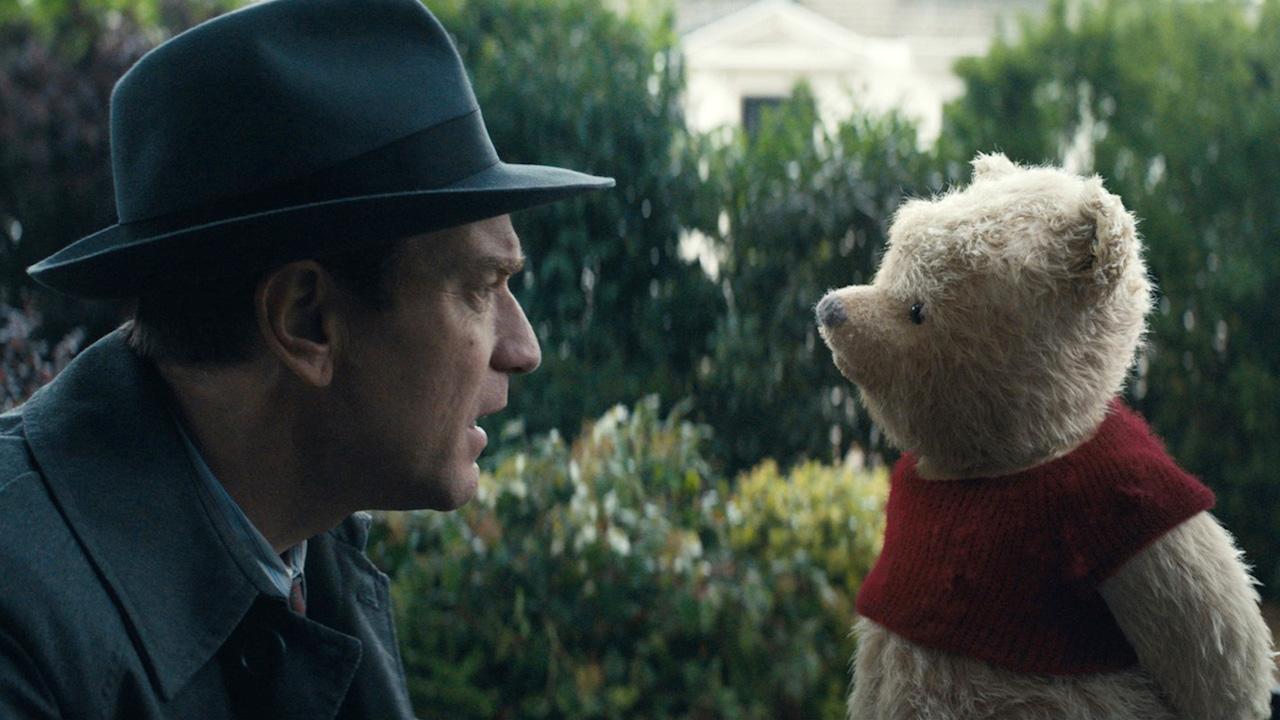
3. Christopher Robin (2018, d. Marc Forster.)
Who would have guessed that a film could get so much mileage out of replicating its Winnie the Pooh designs in a live-action feature. Those characters aside, there is probably less CGI in here than any other Disney remake. That gives it a grounded feel that the others lack. It’s a minor work really, but a charming one. For fans of the A.A. Milne characters it is an absolute delight.

2. Cruella (2021, d. Craig Gillespie.)
There is a clear aesthetic link between the Cruella of Craig Gillespie’s film and the Cruella of the animated One Hundred and One Dalmatians. There is no narrative link between them whatsoever. This is a Cruella who is rebellious but not cruel at all, reworked as the hero of her own story and bound up in a late 1970s punk soundtrack and Vivienne Westwood aesthetic. There surely isn’t a Disney remake that takes more liberties with the material, and while that makes it a poor version of Cruella de Vil it also makes it a winning presentation in its own right.
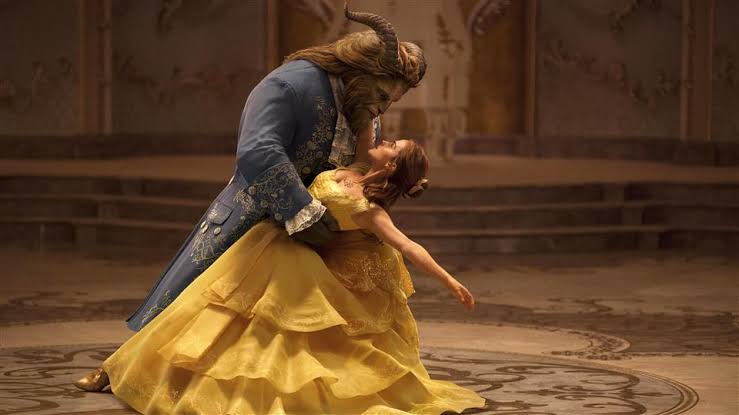
1. Beauty and the Beast (2017, d. Bill Condon.)
Bill Condon’s Beauty and the Beast remake is remarkably faithful to the original, and not particularly adventurous. When it makes changes they are subtle and strategic: building up Belle’s character a bit here, making the film queer-friendly there. It is, all in all, a remake constructed out of balance. It keeps the moments and the characters that the audience are going to expect or even demand, but it feels out the gaps in a satisfying and intelligent fashion. It is far from a necessary film – what remake ever is – but it works brilliantly, and remains wonderfully entertaining family filmmaking.
Moana opens in cinemas in Australia on Thursday 9 July 2026, and in the USA on Friday 10 July. Check your local cinema for session times.


Leave a Reply