When Ridley Scott commenced his feature directing career in 1977, it was with the critically acclaimed period drama The Duellists. He followed it up in 1979 with the science fiction horror film Alien – still most likely his most famous film – and then in 1982 with Blade Runner. While that third work under-performed commercially, it has since been critically and popularly re-appraised and is now widely acknowledged as one of the most influential films of its decade. The same cannot be said for Scott’s fourth feature, 1985’s Legend. This lushly produced fantasy film was difficult to shoot, suffered interference at the hands of its producing studio, floundered with critics, and failed to find its audience.
While Blade Runner found a second life beyond its initial release, the same cannot be said of Legend. While it has developed a modest cult following, the critical consensus has not really changed. Perhaps now, 40 years after its North American release, is an appropriate time to give the film a second chance.
The story of Legend began in the Fall of 1980, when Ridley Scott – deep in development for Blade Runner – arranged a meeting with screenwriter and novelist William Hjortsberg to begin working out a premise for a fantasy film project. Hjortsberg recalled: ‘Ridley told me he wanted the villain to be called Darkness and that he wanted unicorns. I remember the first time we met – he came up to me in a hotel in New York and said, “How would you like to make a fairy story?”’[1]
Scott had been toying with the idea of a fantasy film since completing The Duellists, and had spent some time developing an adaptation of the legend of Tristan and Isolde – plans he subsequently abandoned. ‘I couldn’t see the point of spending another year of my life on what would essentially be another art movie that only a limited audience would see. For me it just wasn’t enough, not in monetary terms but artistic ones. So I dropped the idea and did Alien instead. I was right to do that in retrospect.’[2]
Despite his shift to science fiction, Scott remained keen to direct a fantasy film. ‘It stayed in my mind,’ he said. ‘Tristan is in the realm of the fairy tale and mythology.’[3] After reading a number of folk stories, fairy tales, and myths, he came to the conclusion that an original story – inspired by myths but not directly adapting them – was the best approach. He was inspired in particular by Jean Cocteau’s French classic La Belle et la Bête (1946), and screened it for Hjortsberg to demonstrate his desired style and tone.
In January 1981 Hjortsberg and Scott met in Los Angeles to develop story ideas. Scott was still particularly keen to incorporate unicorns into the narrative. ‘To begin with,’ he said, ‘I only had the vague notion of something in pursuit of the swiftest steed alive which, of course, was the unicorn.’[4]
In Hjortsberg’s words: ‘I agreed that unicorns were a fine idea and improvised a quick mental riff about a princess in love with a commoner, the miller’s son perhaps. She sneaks out of the castle to meet him in the woods and he takes her to see the unicorns, setting in motion potential disaster. The princess toys with the boy. She takes off her ring and tosses it into the air, saying she will marry whoever finds it. The ring bounces over a cliff and into a deep pond. The miller’s son dives after it. While he is under water, something terrible happens to the unicorns and the whole world turns to winter. Returning to the surface, the miller’s son finds the pond frozen solid. He breaks through the ice. The princess is gone. Snow covers everything. The boy must figure out what went wrong and save the day. Ridley Scott loved this idea. He said he’d heard enough and told me to go home to Montana and write my script.’[5] While Hjortsberg developed the screenplay’s initial draft, Scott began shooting Blade Runner in Los Angeles. Their fantasy project was tentatively named Legend of Darkness.
‘Fifteen revisions later,’ said Scott, ‘we finally worked out what we both wanted.’[6]
For the film’s aesthetic Scott was inspired by a range of artists and texts, including Arthur Rackham and Heath Robinson and the Walt Disney animated films Snow White and the Seven Dwarfs (1937) and Pinocchio (1940).
One of the key influences of the early drafts was Faeries, an art book illustrated by Alan Lee and Brian Froud. Alan Lee was ultimately hired to act as one of the film’s concept artists. Froud was presumably unavailable, as at the time he was deep at work as lead concept artist on Jim Henson and Frank Oz’s fantasy film The Dark Crystal (1982).
Asshetton Gorton was another early appointment as production designer. While relatively new to fantasy films – although he had designed Jacques Demy’s The Pied Piper in 1972 – he boasted an impressive range of film classics in his credits including Blowup (1966), Get Carter (1971), and The French Lieutenant’s Woman (1981). Scott had wanted Gorton for both Alien and Blade Runner, but the much-acclaimed designer had been unavailable both times.
Hjortsberg’s early drafts of the screenplay were significantly more adult than what was ultimately filmed, including the princess gradually transforming into a monster and a violent sex scene between her and the villainous Lord of Darkness. ‘We went through many drafts,’ said Hjortsberg, ‘and a lot of the strong stuff got muted. The entire sexuality thing… in the final version, she wore a black dress and was invited by Darkness to sit on a chair that was alive and vaguely repulsive and bubbling. That was it.’[7]
The darker content was effectively abandoned as soon as the film found a financial backer. After trying and failing to attract the interest of Walt Disney Productions, Scott found a partner in Arnon Milchan’s Embassy International Pictures (later Regency Enterprises). Distribution was split, with Universal Pictures handling North America and 20th Century Fox the rest of the world.
‘I could have taken this same script and gone two ways,’ said Scott. ‘One would have been dark and Celtic which would have limited it. The other was the Disney route and as I made Legend primarily for children, my children to be precise, that’s the avenue I pursued.’[8]
‘One thing simply has to be changed,’ said 20th Century Fox executive Marcia Nassiter, ‘you can’t have the villain fuck the princess.’[9]
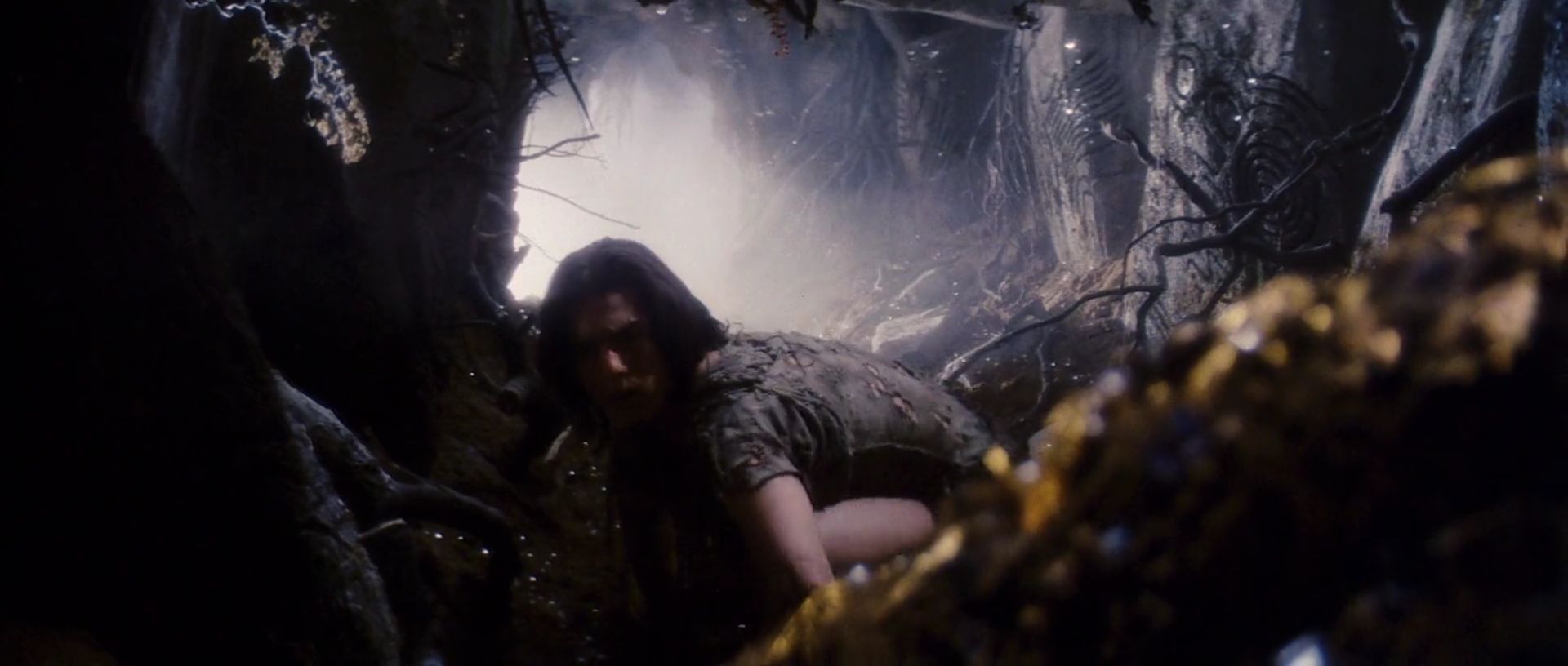
Rewrites streamlined the film’s narrative, with all extraneous quest details removed to focus on the main adventures of forest boy Jack’o’the’Green and the kidnapped Princess Lili. Rather than develop an entire human world – just to see it frozen solid in the Lord of Darkness’ magical winter – events were stripped down to feature a solitary clock maker’s cabin on the edge of the forest. Scott explained: ‘Originally the quests were more prolonged and involved the classic earning process, but all these had to be substantially reduced.’[10]
The decision was made to shoot Legend entirely on soundstages, rather than risk the unpredictable environments that came with an outdoor shoot. While it unavoidably gave the film an artificial appearance, Scott was confident that he could develop the setting’s own fantastical reality under controlled conditions.
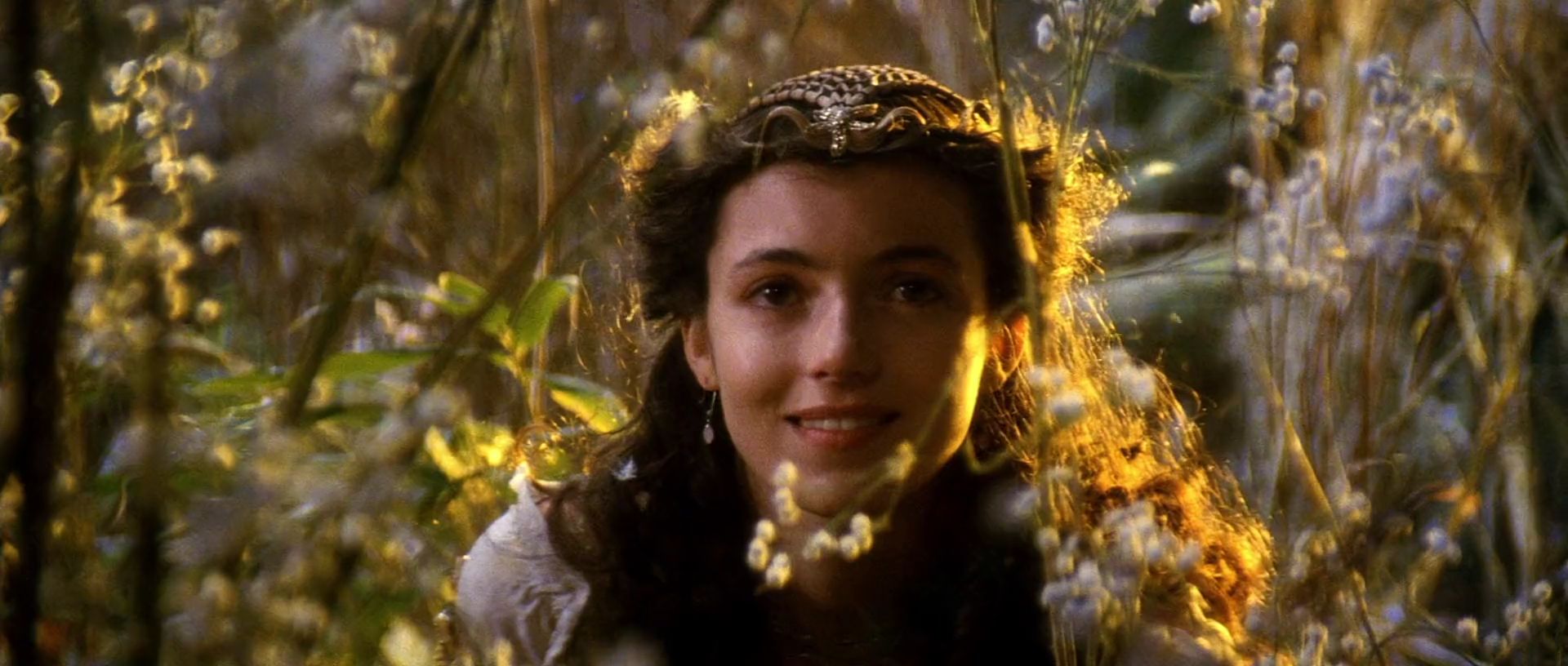
The casting priorities for the film were Jack, Lili, and the so-called Prince of Darkness.
Lili was played by Mia Sara, making her film debut. She was 15 years old when she auditioned, and 16 by the time shooting was complete. Sara had originally impressed Scott by reading a poem during an interview, and he subsequently had her flown from Los Angeles to London for a screen test.
Subsequent to Legend Sara co-starred in the popular comedy hit Ferris Bueller’s Day Off (1986) and the television miniseries Queenie (1987). While she appeared in a number of later film and television productions, she effectively retired in 2013 – only returning for Mike Flanagan’s The Life of Chuck in 2024.
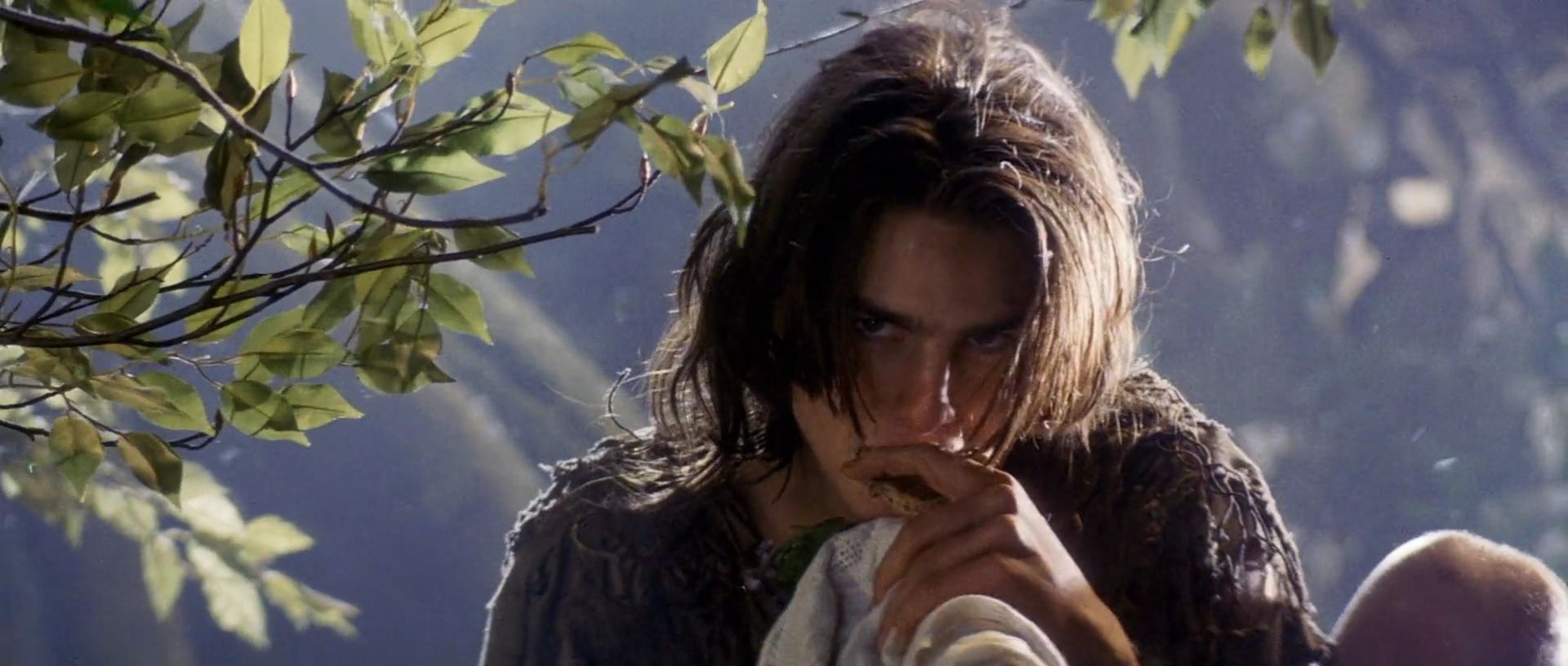
A 22-year-old Tom Cruise was cast as Jack. While Cruise had made his debut in 1981’s Endless Love, it was in 1983 that his career broke into mainstream success with a supporting role in Francis Ford Coppola’s The Outsiders, as well as the lead in commercial hits Risky Business and All the Right Moves. In high demand in Hollywood, but looking for a change from playing high schools, he was immediately attracted to working on a fantasy project. It is no secret that Cruise did not enjoy the subsequent experience.
‘He was very sweet to me,’ recalled Sara, ‘and we got along very well, but it was, like, a lot.’[11] Speaking in 2026 to Entertainment Weekly, Sara said Cruise attempted to stay in character throughout the entire shoot and disagreed regularly with Scott over the length, tone, and story of the film.
When promoting the film, Cruise was a consummate professional, describing his character as ‘light in life. He’s very unassuming. He doesn’t judge people. He has a great capacity to love. And he’s magical, which is nice.’[12]
‘I’ll never want to do another picture like that again,’ he later confessed to Rolling Stone, dismissing his role as ‘another color in a Ridley Scott painting’.[13]
Speaking to Cameron Crowe in Interview, he was slightly more reflective. ‘Legend was an interesting thing. I don’t know how Harrison Ford has done so many of those types of films. I mean, I did All The Right Moves, and I thought, “Okay, I’ve done the two extremes of high school life. I’ve done that.” In Legend, I’m this magical character, Jack O’ The Green. The sets were huge. Sometimes we would be working on a scene that might last 30 seconds in the film, but it took a week to shoot it. It’s stunning and gorgeous and poetic and most of the time I would be looking at a piece of black tape and having to imagine all of it.’[14]
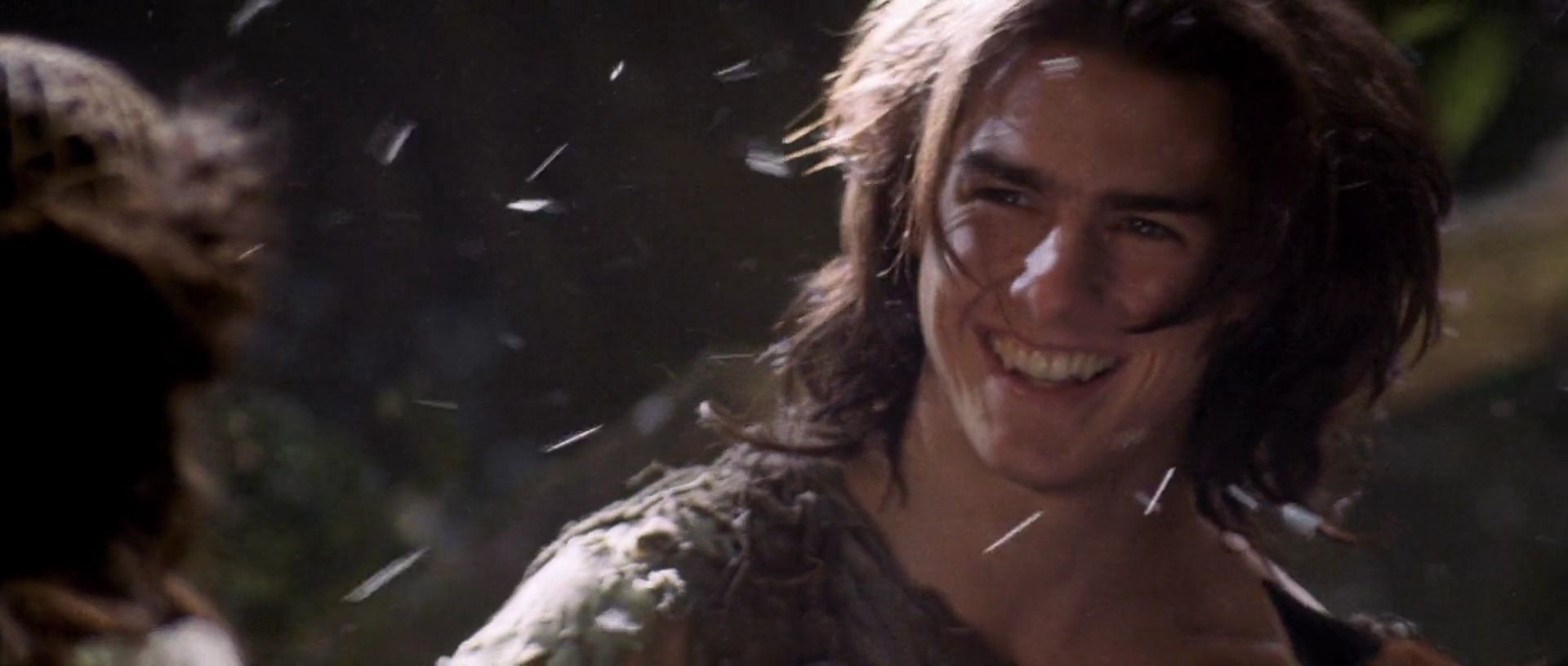
‘For Tom Cruise to do this movie was very brave,’ said Scott. ‘As a career step, it was very challenging for him. Suddenly, he stepped out of the usual kind of role that a 23-year-old guy is going to do, and into a much more theatrical situation. He coped with that wonderfully, and his enthusiasm and commitment were unusual.’[15]
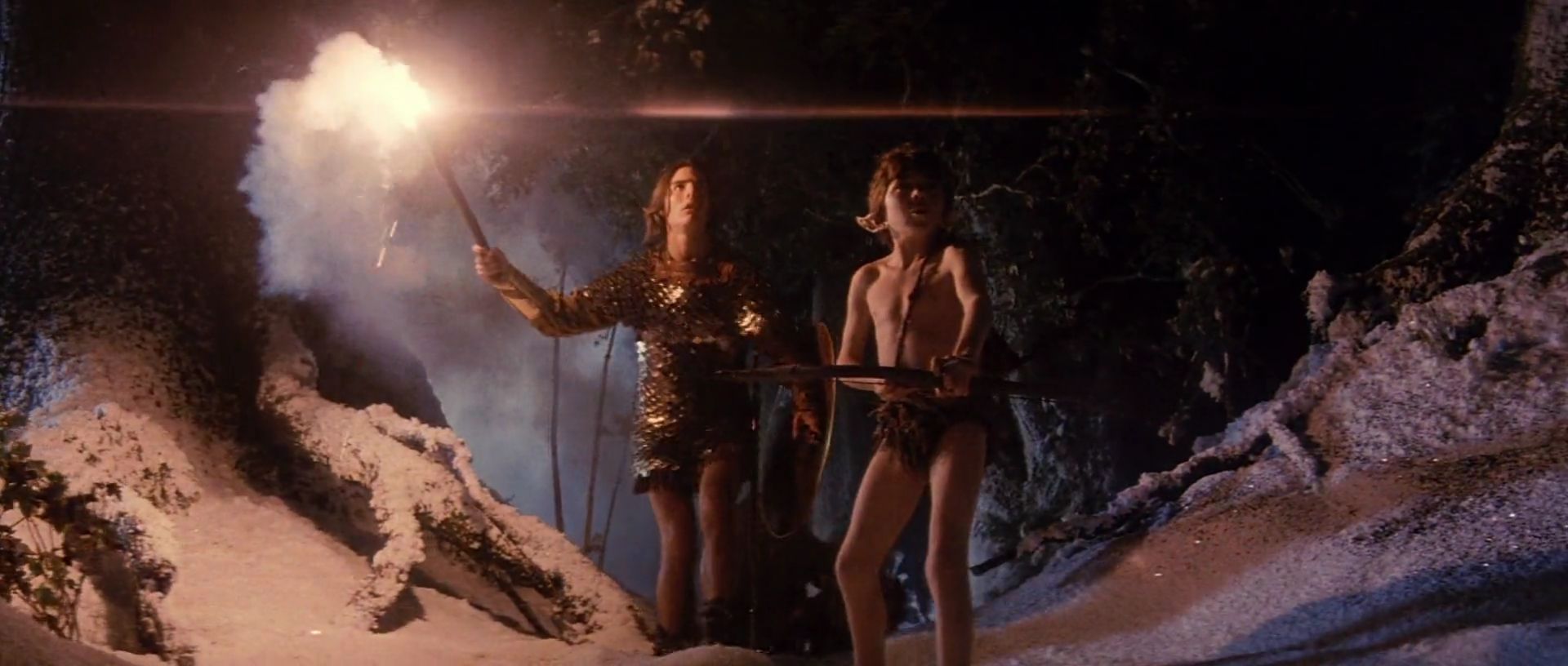
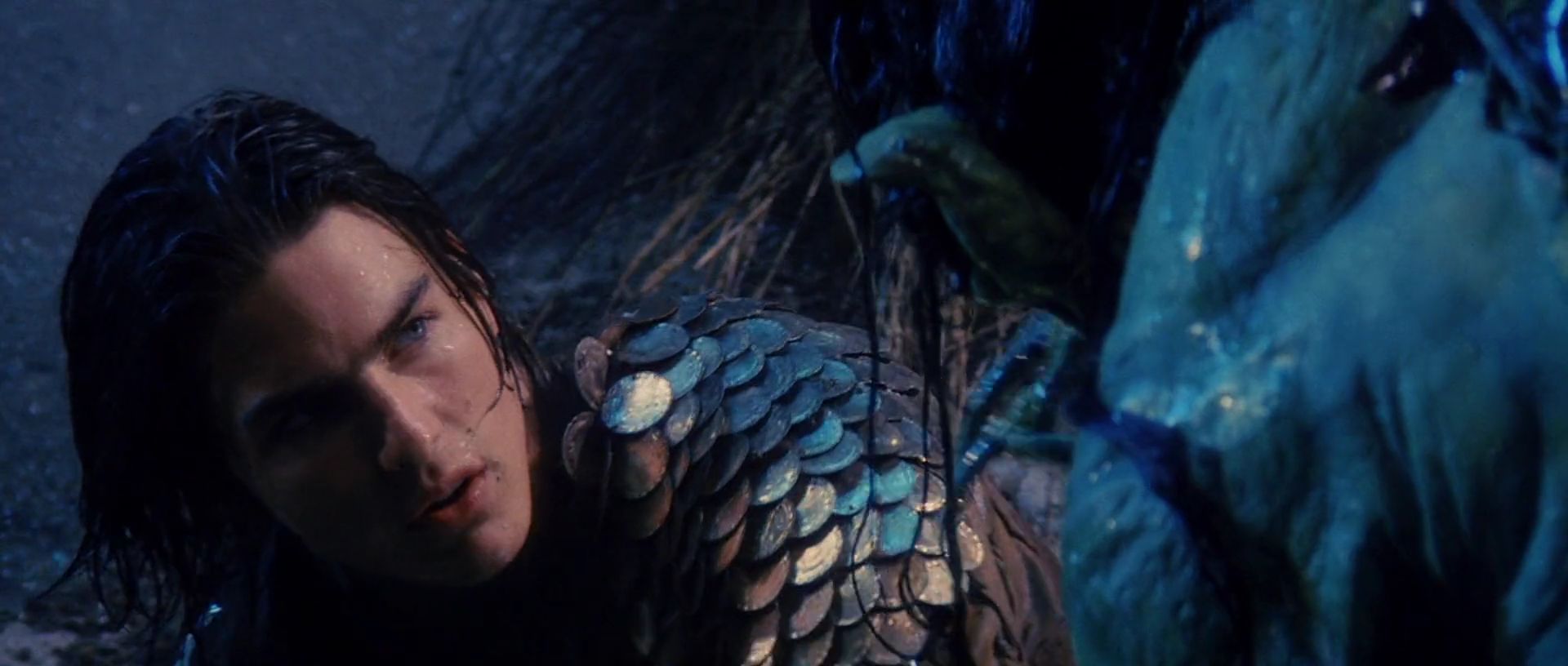
In pitching Cruise the role, Scott screened a copy of François Truffaut’s The Wild Child (1970) to offer the sort of boy-raised-by-animals approach he wanted. Cruise briefly studied classical and jazz ballet to develop a particular physicality for Jack, developing a manner of moving and standing that emphasised the character’s otherworldly nature. Cruise explained: ‘He’s not a guy who will plop down in a chair and say, “Hey, how’s it going?” He doesn’t move like that. He doesn’t sit in chairs like we do. He watches birds and sits crouched on his legs, and when he stands up, he feels very vulnerable because it’s not a very natural thing for him.’[16]
In retrospect, of course, Cruise seems a deeply strange choice to play Jack’o’the’Green. He maintains his own American accent throughout – always a challenge for audiences that expect from experience for historical and fantasy films to sound English. He performs with visible thoughtfulness regardless, and the specific physicality that he discussed in interviews makes a genuine difference to his character. At the same time, one cannot watch Legend today without bringing Cruise’s subsequent career along with him. His next role after Legend was as Pete “Maverick” Mitchell in Top Gun (directed, coincidentally, by Ridley Scott’s brother Tony), and its success effectively cemented Cruise’s public image and career for the ensuing decades between then and now.
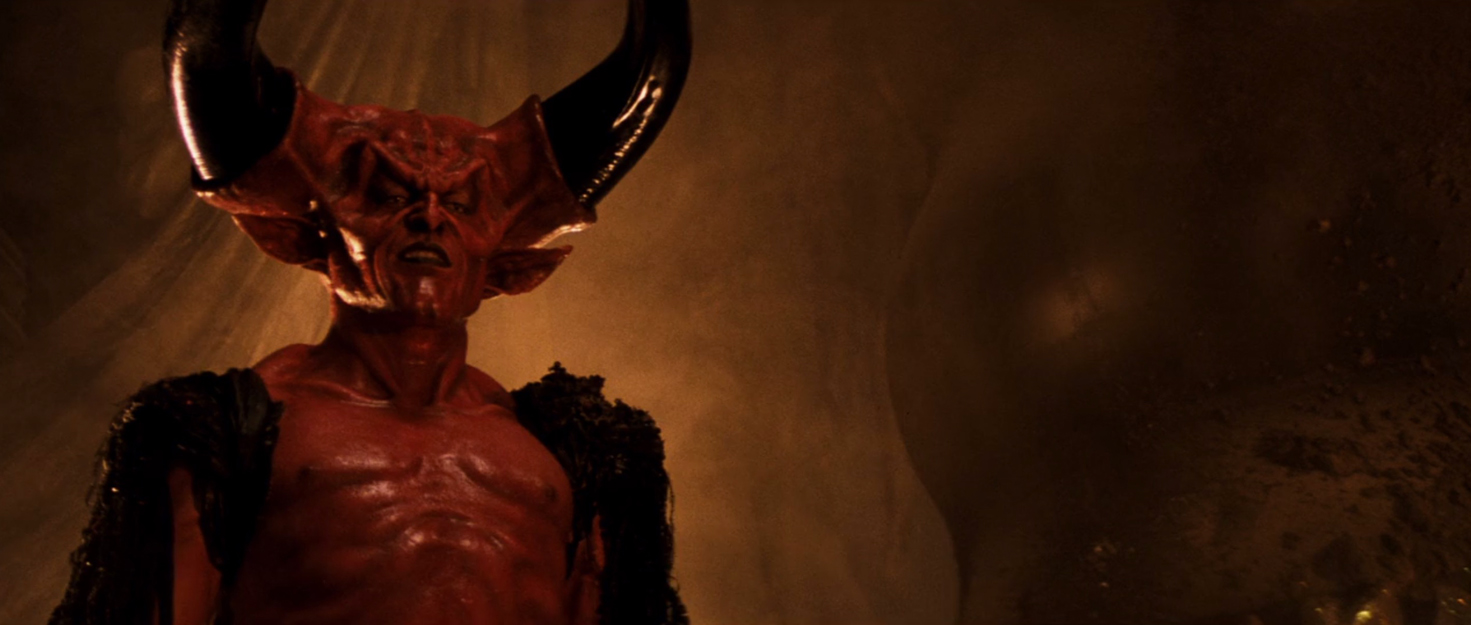
The Lord of Darkness was played by English actor Tim Curry, then firmly typecast as Dr Frank’n’Furter in the cult 1975 comedy musical The Rocky Horror Picture Show. It was not Curry’s film appearances that attracted Scott to casting him. Instead, as the character was to be performed under a significant amount of prosthetic make-up, Scott required an actor with strong theatre experience to ensure their performance would reach the audience despite such restriction. That said, when Scott rewatched a print of Rocky Horror while casting the character, it was not Curry he was considering but co-star and writer Richard O’Brien. It was only while viewing the film that Scott realised the ideal choice was staring him in the face. ‘I like the control he has over himself,’ Scott later said. ‘He is very physical and powerful, theatrically speaking. He knows when he needs to stop. It was great to work with him.’[17]
Many actors during Scott’s early feature career, including Tom Cruise, did not enjoy the director’s tendency to spend most of his focusing on picture and mise-en-scene rather than on performances. Curry felt the opposite. ‘Ridley Scott gives you room to invent,’ he said. ‘Because he composes everything in such a detailed way, taking his time lighting and composing, you have a great deal of time to figure out how you’re going to fit in the frame and what you should do.’[18]
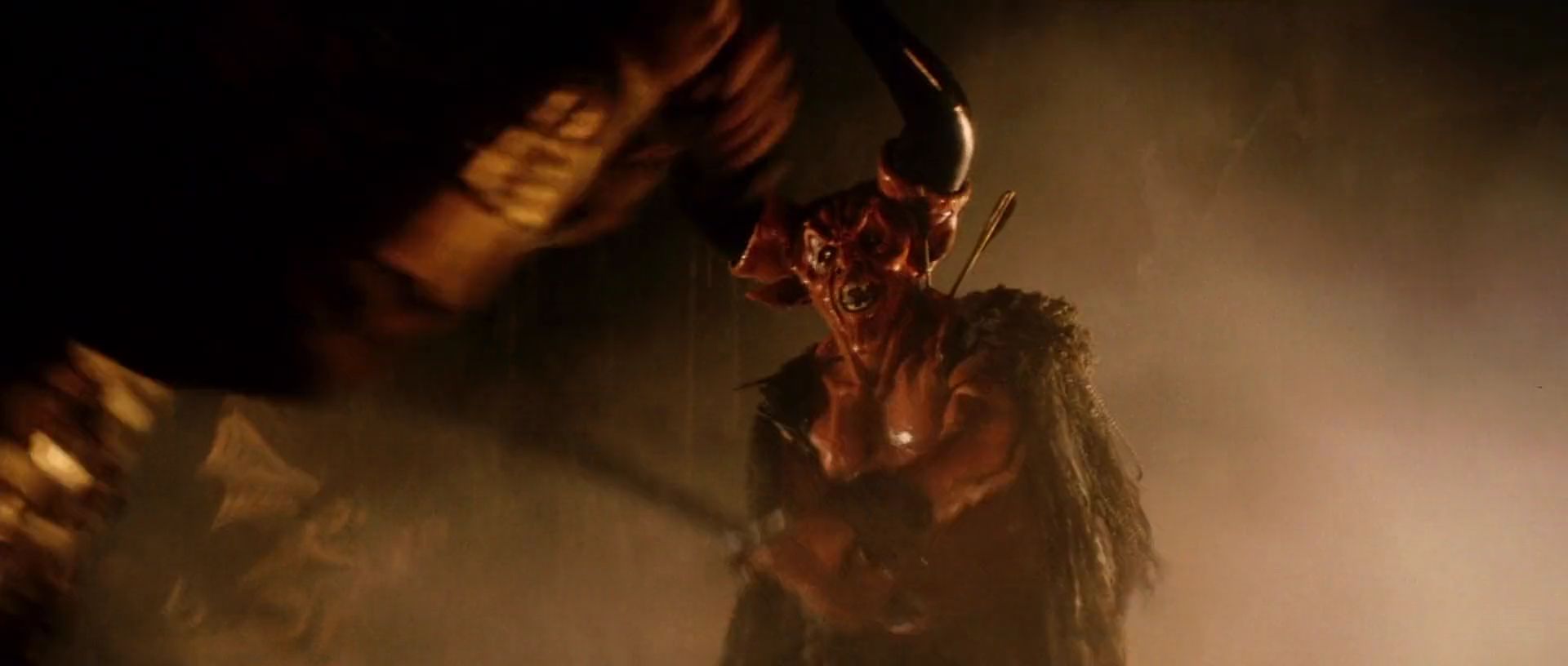
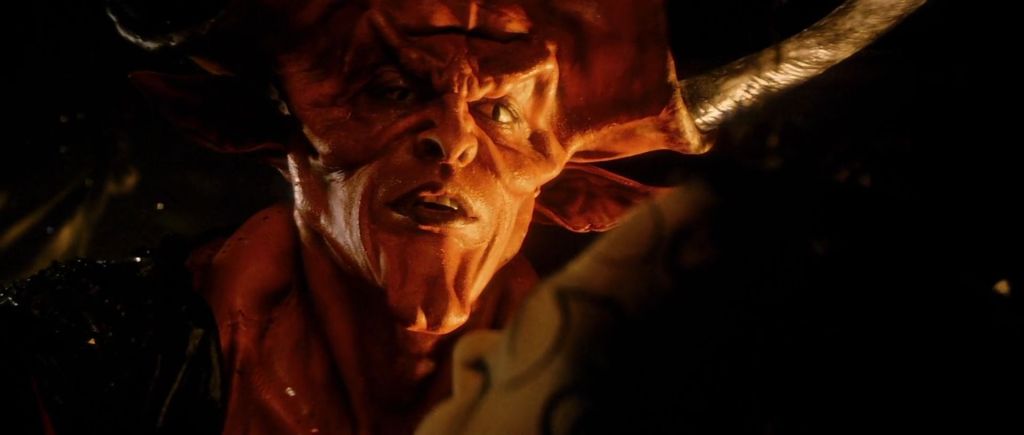
Transforming Tim Curry into the Lord of Darkness required up to seven hours per day having make-up applied and removed, as well as walking on-stage in platform shoes designed to resemble demonic hooves. On top of everything else Curry was required to perform with two enormous horns sprouting from his head. Despite being attached to an aluminium frame inside Curry’s costume, the weight of the forward-sweeping horns put constant strain on the actor’s neck. The Prince of Darkness make-up was split into 10 pieces. As each piece was destroyed as it was removed from Curry’s body, that meant a 60-day film shoot required more than 600 individual pieces to be cast, refined, and painted.
The concession Curry fought for – and won – was that his own eyes were used for the character instead of a planned mechanical apparatus (to give his face a genuinely inhuman appearance). According to prosthetic designer Rob Bottin, ‘he told me he’d wear any poundage of rubber or submit to anything as long as I used his eyes. So I checked it out with Ridley, and we decided the mechanical eyes would probably be great but how could we top Tim Curry’s eyes?’[19]
Nearly 40 years later Ridley Scott was still singing Curry’s praises, telling the Hollywood Reporter that ‘few people saw Legend, but Tim Curry was fantastic in it.’[20]
Shooting on Legend commenced on 26 March 1986 at London’s Pinewood Studios. Elaborate forest sets were constructed in the complex’s famous “007 Stage”, so-named because of its regular use by the popular James Bond productions.
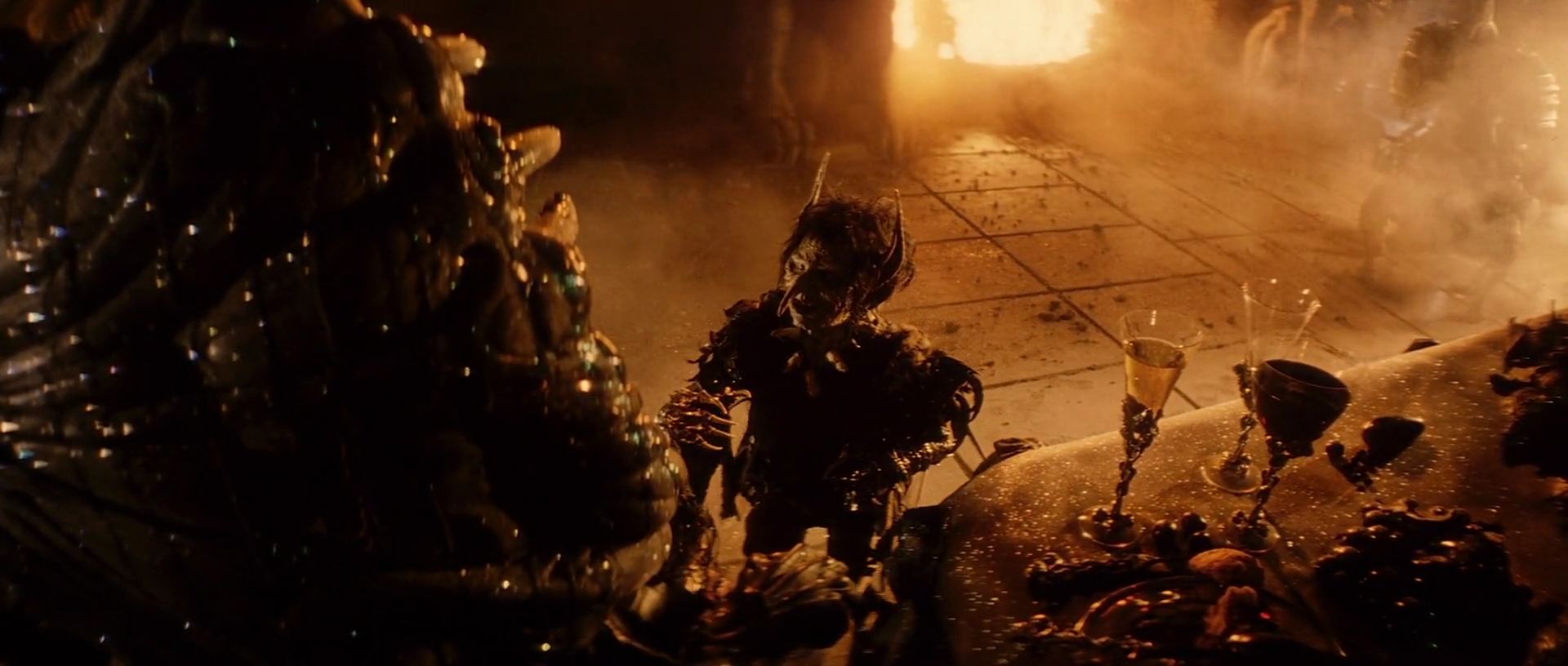
At the film’s outset, the Lord of Darkness seeks to plunge the world into eternal night. To this end he dispatches his goblin Blix, accompanied by her companions Pox and Blunder, to seek out the unicorns in the forest and bring back their horns. As the best bait for the unicorns is innocence, Blix follows the virginal Princess Lili as she travels to see the forest-dwelling Jack’o’the’Green.
Alice Playten played the needle-nosed Blix. A Broadway veteran, her theatrical skills – like Tim Curry – enabled her to deliver a lively performance despite extensive make-up. It was Playten who suggested her character should resemble Rolling Stone guitarist Keith Richards, leading Ridley Scott to develop a quick sketch for Rob Bottin’s team to adapt to a prosthetic mask.
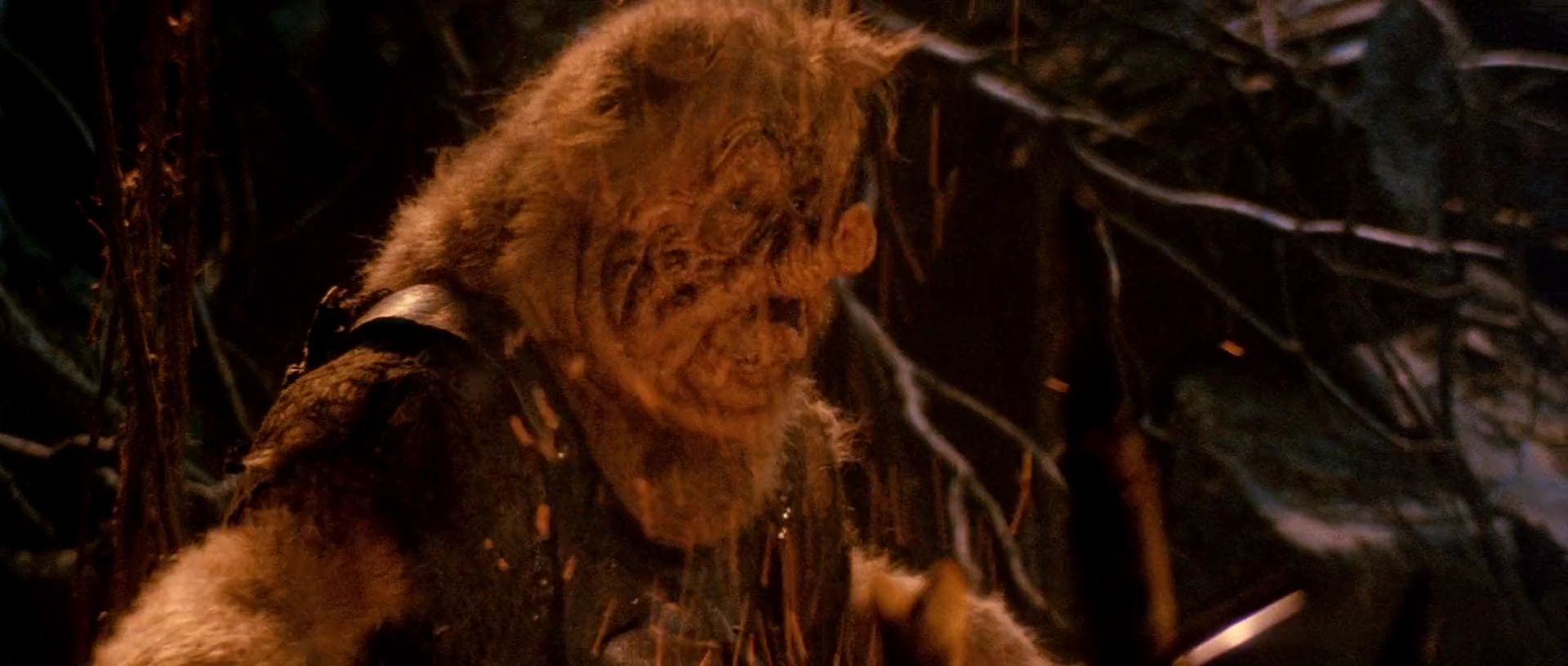
Pig-faced henchman Pox was played by Peter O’Farrell, who had previously appeared in Hawk the Slayer (1980) and Prisoners of the Lost Universe (1983).
Blunder was played by Kenyan performer Kiran Shah. At four foot two inches, Shah – a stunt artist, actor, and poet – had already worked on several science fiction and fantasy films including Superman (1978), The Dark Crystal (1982), and Return of the Jedi (1983).
Tic, a fourth goblin, was effectively edited out of the finished film. He was played by 40-year-old Mike Edmonds, who had previously performed in Flash Gordon, The Empire Strikes Back (both 1980), Time Bandits (1981, as Og), The Dark Crystal (1982, as Aughra), and Return of the Jedi (1983, as the Ewok priest Logray).
The film’s various creature prosthetics were designed and constructed under the supervision of Rob Bottin. After working on Star Wars (1977) as an apprentice to the legendary Rick Baker, Bottin has gained much acclaim for his work creating the various werewolf effects for Joe Dante’s The Howling (1981). Subsequent work had included prosthetic effects for The Thing (1982), The Twilight Zone: The Movie (1984), and Explorers (1985).
Bottin’s first task on Legend was convincing Ridley Scott to scale down the ambitiousness of its fantasy creatures. ‘A lot of side characters and fantasy creatures were removed,’ he said, ‘because the principal characters involved complicated prosthetic make-ups that would have to be worn up to sixty shooting days. Most movies do not involve full body prosthetics, or use them only in specific scenes.’[21]
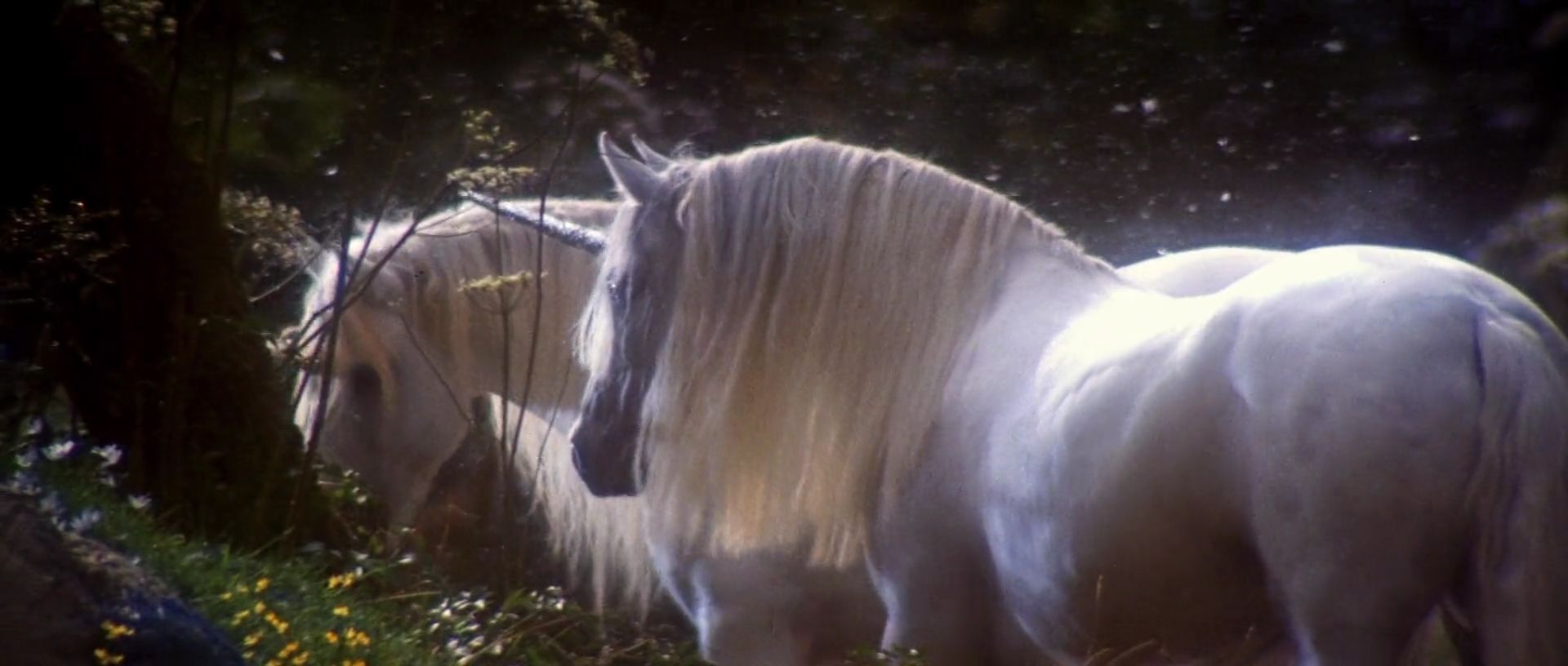
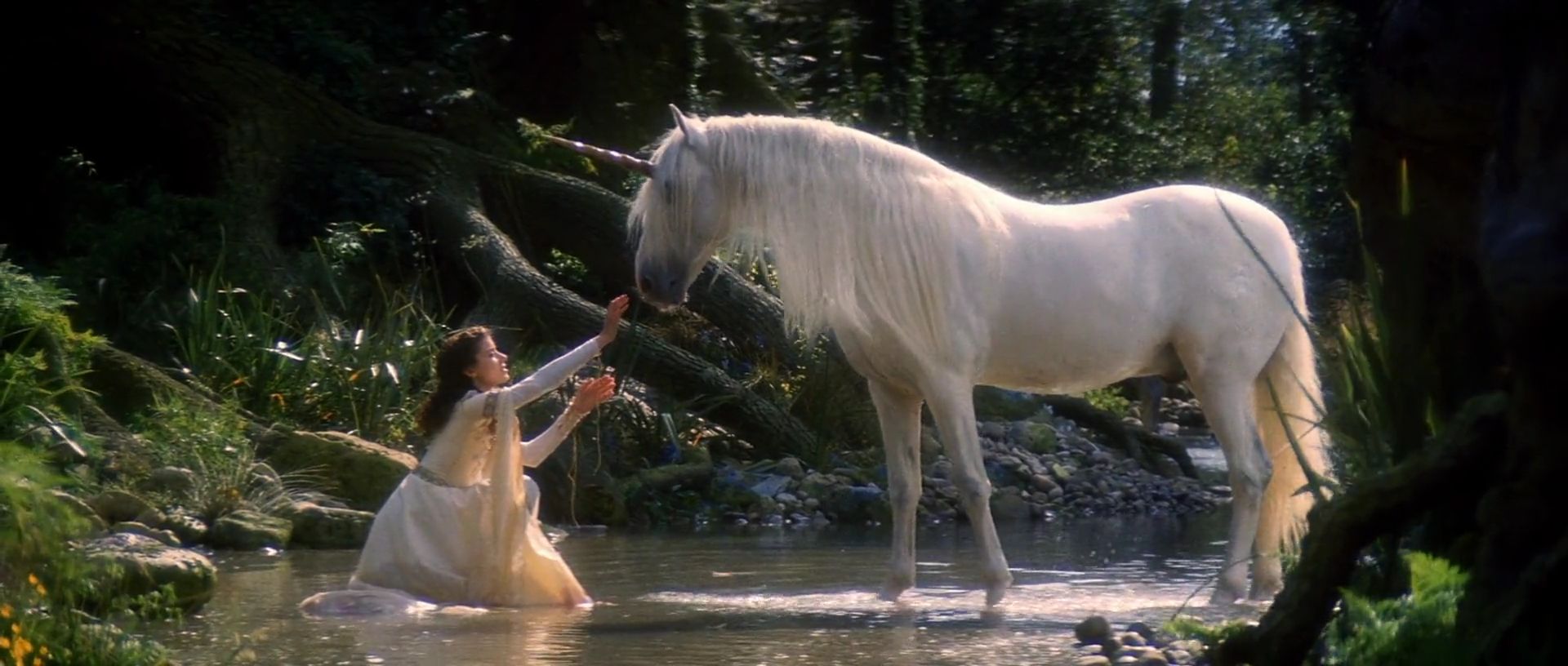
In the forest – and against his better judgement – Jack takes Lili to see the secretive unicorns. Despite his warnings not to touch them, Lili cannot help but attempt to pet the stallion. While it is distracted, Blix uses a blowpipe to poison the stallion – both unicorns go running into the undergrowth.
The elaborate forest set was the film’s largest by far, and took 50 technicians a total of 14 weeks to construct it. It features real trees, a 10-foot-deep pond, an artificial brook with running water, and a variety of real-life small animals and plants. Fans were constantly blowing on the set to believably move the trees and plants. ‘I wanted it to be influenced by Disney,’ said Scott, ‘I wanted to make the forest lighter, like the rock’n’roll version of a fairy tale. We looked at Snow White, Pinocchio, Fantasia – the backgrounds of Pinocchio work well, but the backgrounds of Snow White are too dark, too scary.’[22]
Shredded duck feathers were used to simulate particles of pollen in the air. ‘It’s very dynamic,’ said Scott. ‘It was to keep the forest in movement. The forest was very artificial and I had to make it come alive.’[23]
It is difficult to decide if Ridley Scott had a particular obsession with unicorns in the early 1980s, or if it is simply a coincidence that he used the creature so prominently two films in a row. Any fan of his 1982 science fiction film Blade Runner will know of the recurring unicorn imagery that floats through the narrative, connecting protagonist Deckard (Harrison Ford) to the possibility that he might be an artificially intelligent replicant himself. The relevant scenes were cut from Blade Runner prior to its original release, but then re-inserted into subsequent cuts of the film in 1992 and 2007.
In its medieval representations the unicorn came to represent purity and grace in a wild and unrestrained form. Its use in Legend makes it a perfect target for the Lord of Darkness, as well as a parallel for Lili’s own childlike purity. One does wonder if it was subsequently included in Blade Runner as it so effectively resembled the sanctity and purity of Deckard’s inner-most thoughts: thoughts corrupted by Gaff’s teasing that he knows what they are.
Legend’s unicorns were played by a group of trained Andalusian stallions. As Andalusian mares are grey, not white, stallions were ultimately used for unicorns of both genders.
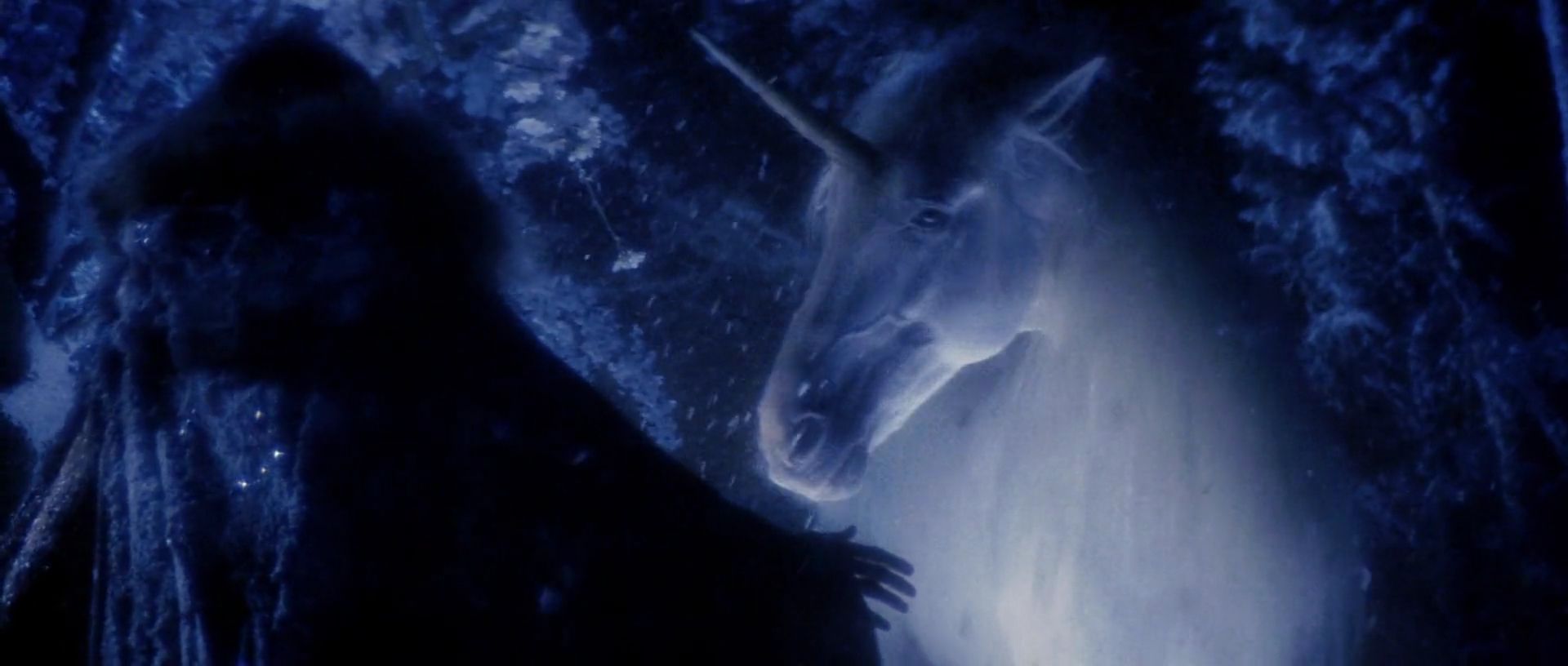
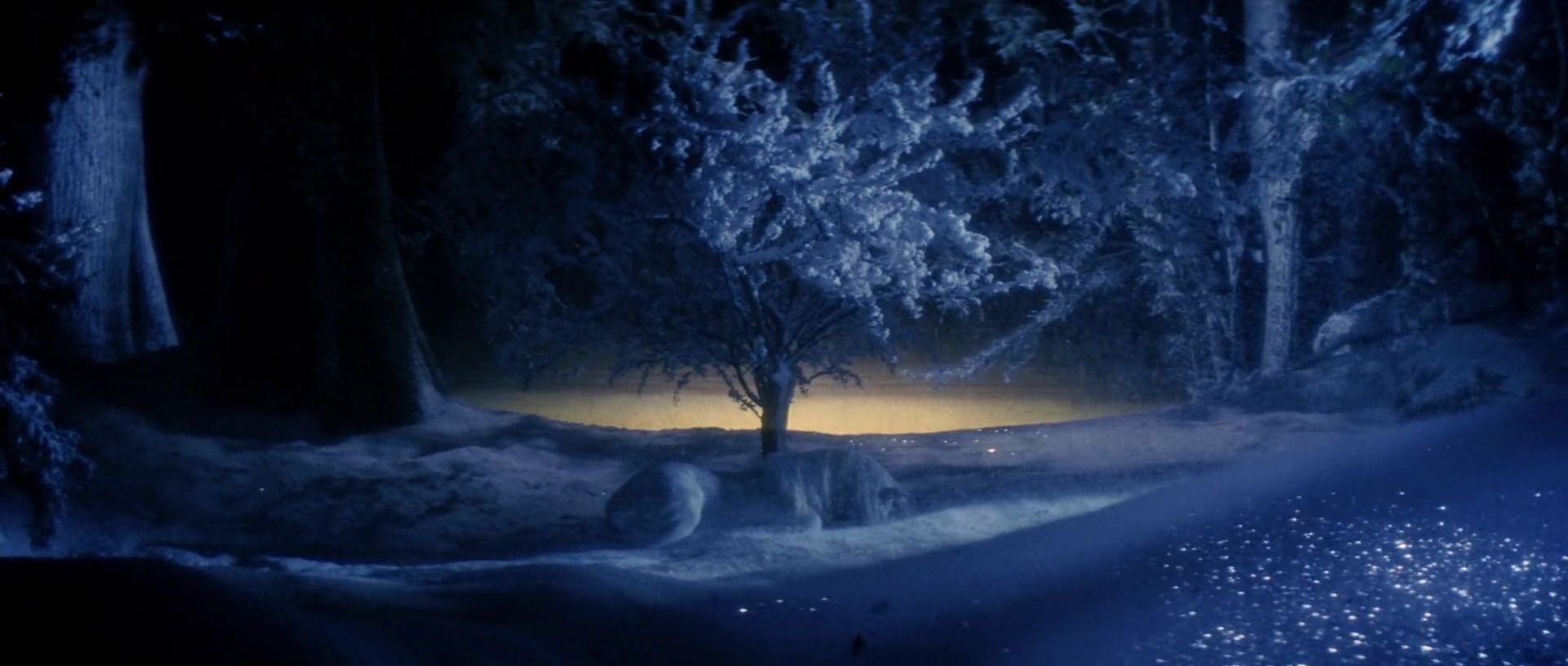
Still intent on teasing Jack, Lili throws her ring into a pond and promises to marry him if he recovers it. Jack impulsively dives into the water and, while he swims, Blix tracks down the wounded stallion and severs its horn. Winter strikes across the forest, freezing the world solid. Lili runs in terror, and Jack is barely able to break through the pond ice to survive.
The forest set was completely redressed for the winter scenes. In addition to liberal amounts of artificial snow, more than 1,500 icicles were made from wax and resin and affixed to other set elements. The winter scenes were shot last during the film, with all other sequences in the forest already completed. It was while filming the winter segments that the notorious Legend set fire occurred.
During the lunch break on 27 June 1984, and with just days left to shoot, a fire broke out on the forest set. Gas canisters used to fuel a pyrotechnic effect exploded, sending a fast-moving fire up the walls of the soundstage and into its flammable insulation inside the roof. Given the nature of the set constructed inside, the immediate result was an intense forest fire in an enclosed environment that consumed the entire building. Pinewood’s famous 007 stage was burned to the ground, and the entire set was lost. As the fire broke out during lunch, there were no injuries to cast and crew.
True to his unflappable nature, Scott left Pinewood to play tennis while fire crews put the blaze out. Additional forest sequences were shot on a hastily assembled set at nearby EMI Elstree. Fire hoses were used to re-create the stream that had run through the original set.
By Scott’s estimate at the time, the Pinewood fire only cost Legend three days from its schedule. The greater impact was on John Glen’s James Bond feature A View to a Kill (1985), which was already filming and all set to occupy the 007 Stage once Legend was completed. The Bond shoot was re-arranged, and studio filming delayed to January 1985 once the soundstage had been rebuilt.
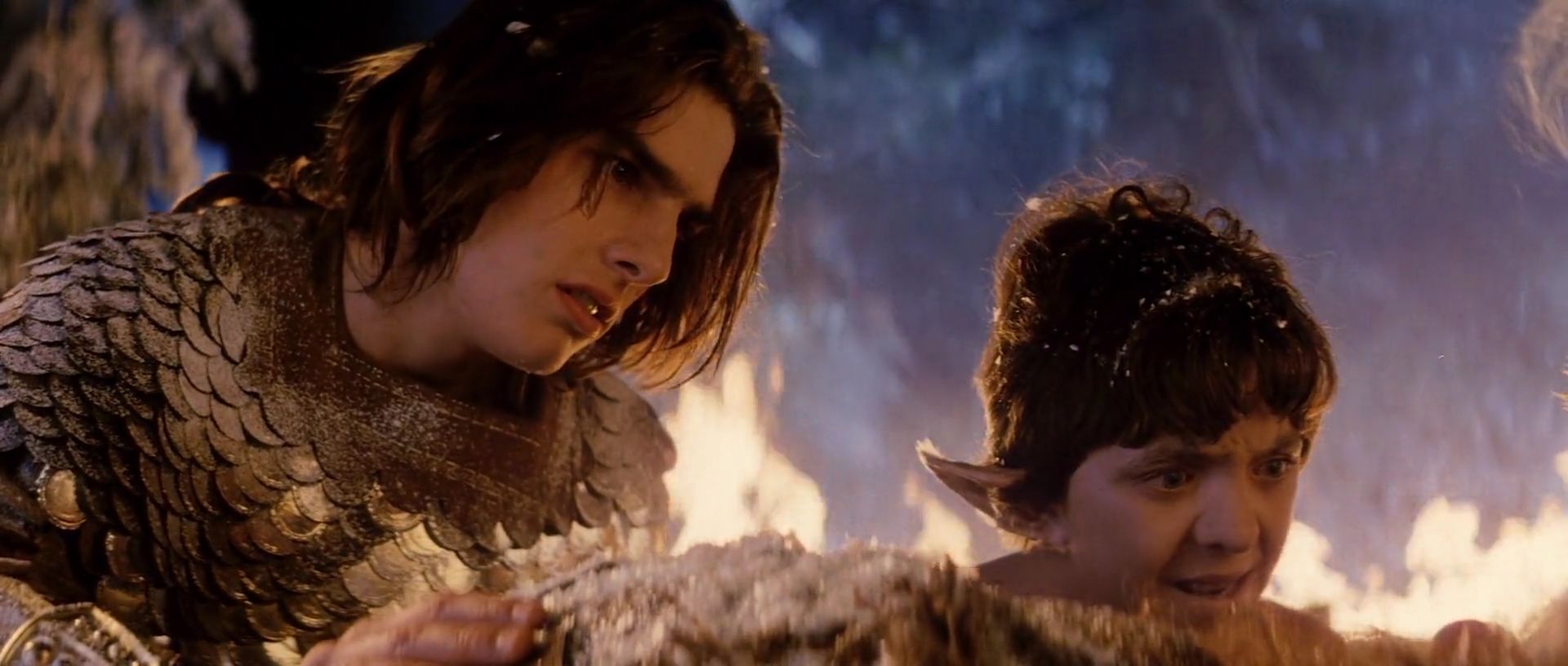
Back to the film: Lili hides from the goblins in a clockmaker’s cottage, where she witnesses Blix toying with her new magical toy. In overhearing their conversation she learns she was used by the goblins as bait to attract the unicorns.
The scene inside the clockmaker’s cottage was Scott’s one concession to representing a natural environment outside of the forest. The cottage set was packed with hand-crafted and intricately painted toys and models, few of which were ultimately visible in the finished film. In attempting to trim Legend down for its American release, Universal Pictures executives targeted this scene in particular for deletion. While it may have sped up the narrative by a few minutes, it also cut out the film’s one narrative link to the outside world and arguably weakened the overall story.
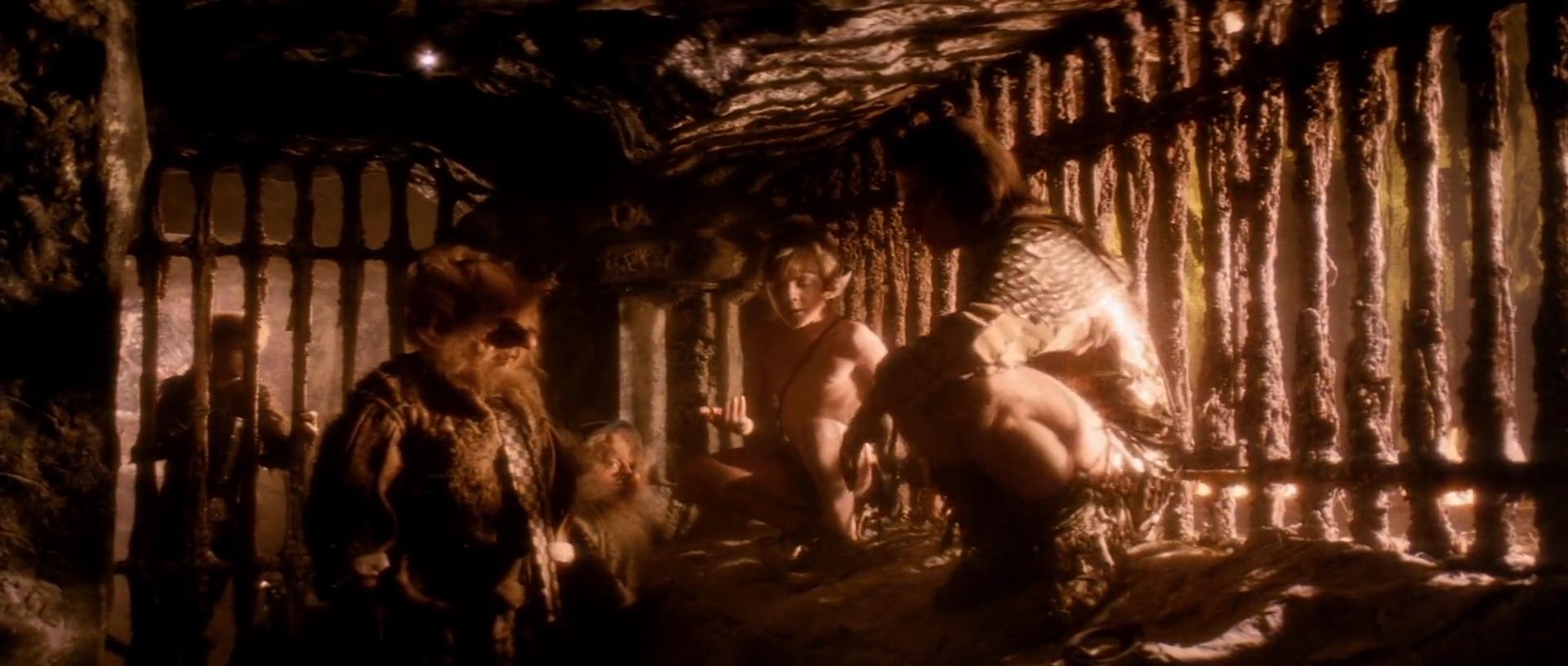
While Lili follows the goblins to their rendezvous with the Lord of Darkness, Jack is brought into a council of supernatural forest creatures to learn what has happened and what course of action should be followed. Jack begs forgiveness from the unicorn mare, who communicates that its dead mate’s horn must be recovered. Jack sets out to fulfil this quest, accompanied by the elf Honeythorn Gump, the fairy Oona, and the dwarf Screwball. Another dwarf, Brown Tom, stays behind to guard the mare.
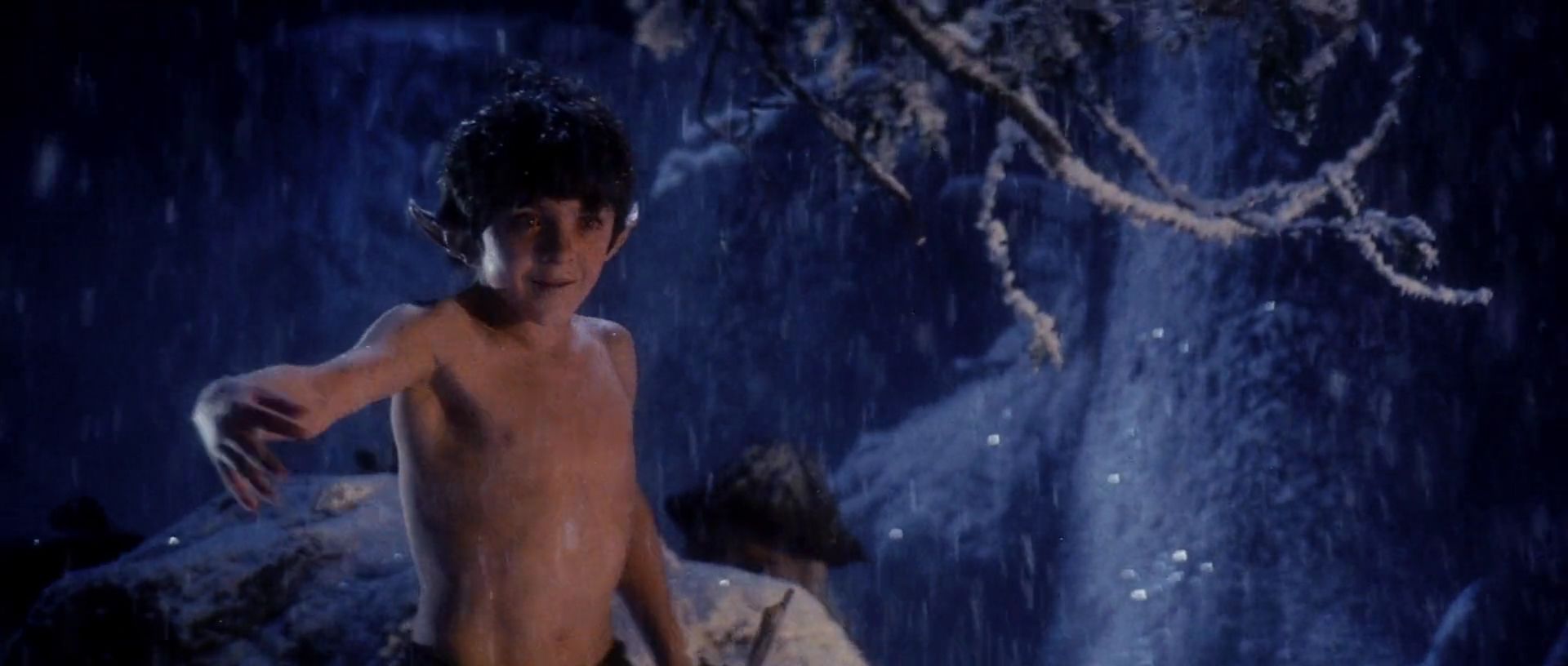
Honeythorn Gump was played by David Bennett. The 17-year-old actor had previously appeared in Volker Schlöndorff’s 1979 film The Tin Drum, a re-viewing of which led Ridley Scott to wonder if he was still acting. A Swiss-born second-generation actor, Bennett performed the role of Gump on set with a pronounced German accent. During post-production, the decision was made to dub his voice with that of Alice Playten (Blix).
Screwball was played by Billy Barty. Barty was a former child star whose cartilage–hair hypoplasia dwarfism saw him regularly cast as dwarfs, elves, and other fantasy creatures. Prior to working on Legend, the 60-year-old had appeared in a range of film and television programs dating back to 1930. He was also a political activist, founding the Little People of America organisation in 1957. One of Barty’s first major roles was as the younger brother to Mickey Rooney in the Mickey McGuire films; Rooney was later considered, but rejected, for an undisclosed role in Legend.
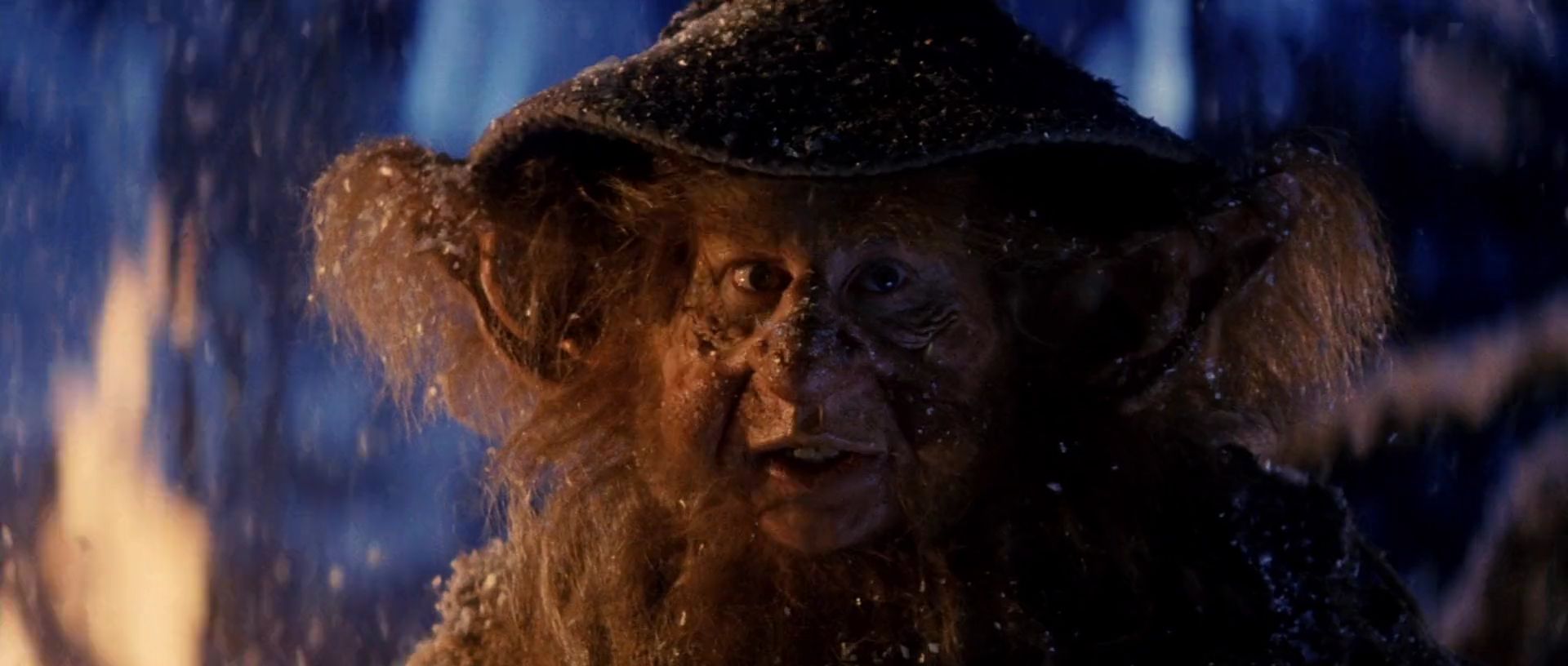
Brown Tom was played by Cork Hubbert, while Oona was played by 24-year-old Annabelle Lanyon. It was her first screen role. Ridley Scott said: ‘Oona was originally invented because Jack and Mia [Lili] are not together during the film; they are in fact only together in the beginning and the very end.’[24]
Lili warns Brown Tom that the goblins are returning to kill the mare. It is too late: Tom is incapacitated while Lili and the unicorn are captured and taken to the Lord of Darkness.
As Jack and his companions make their way towards the Lord’s castle, they are forced to cross a treacherous swamp. There Jack is confronted by the witch Meg Mucklebones, a looming water hag with a grotesque appearance and enormous strength. Jack distracts her with flattery before decapitating her with a sword.
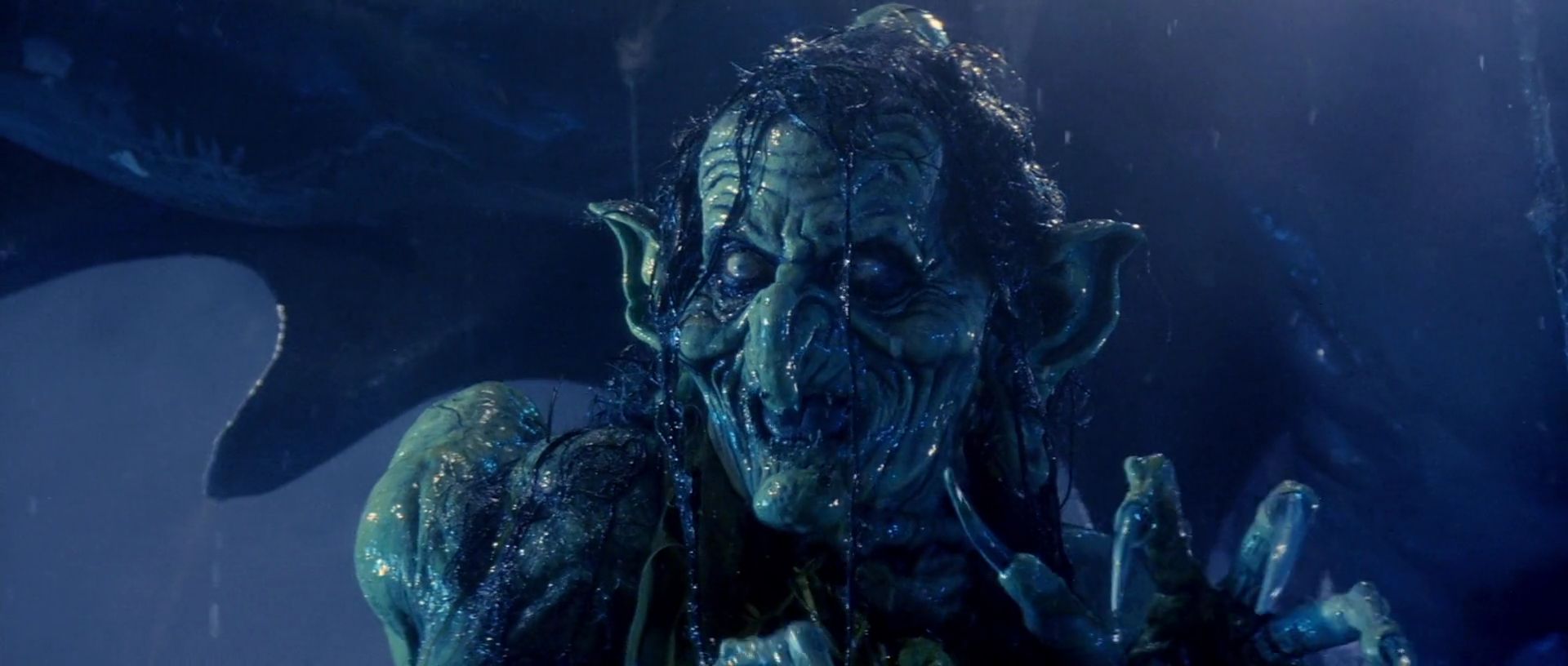
On Rob Bottin’s recommendation, actor Robert Picardo – with whom he had worked on The Howling – was cast as Meg. Bottin said: ‘Picardo does not like performing these characters, because actors don’t want to be covered in makeup. When I first told him Ridley Scott was making a picture, he said. “Rob, now I know you wouldn’t be doing it unless there was some form of torture involved for an actor, and that’s probably why you’re here to see me.”’[25] Bottin praised Picardo for not only his performance, but his immense patience under trying conditions: the role of Meg involved full-body prosthetics, contact lenses, shooting half-submerged in water, more than 200 litres of water-soluble lubricant, and live snakes.
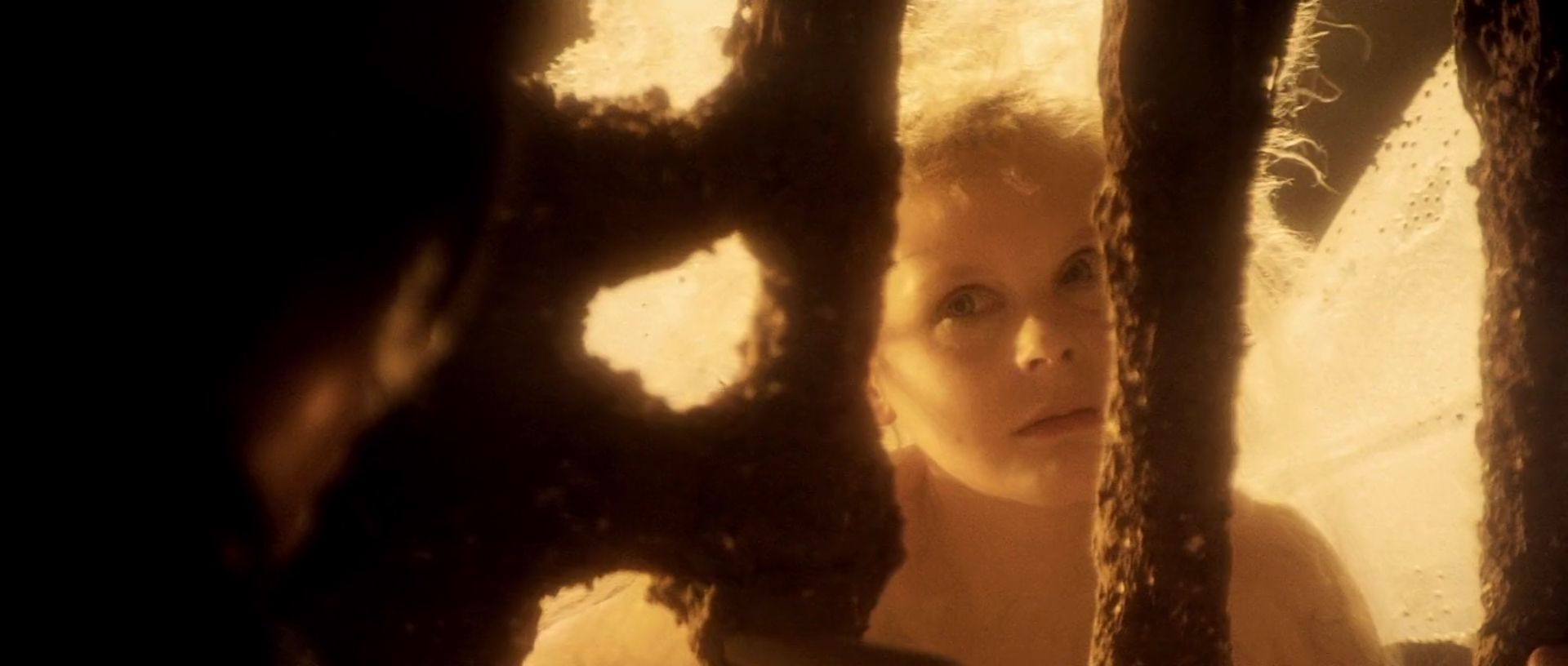
Once Jack and his companions reach the castle, they are promptly trapped in an underground prison. Meanwhile Lili is confronted by the enormous red-skinned Lord of Darkness at the heart of his lair.
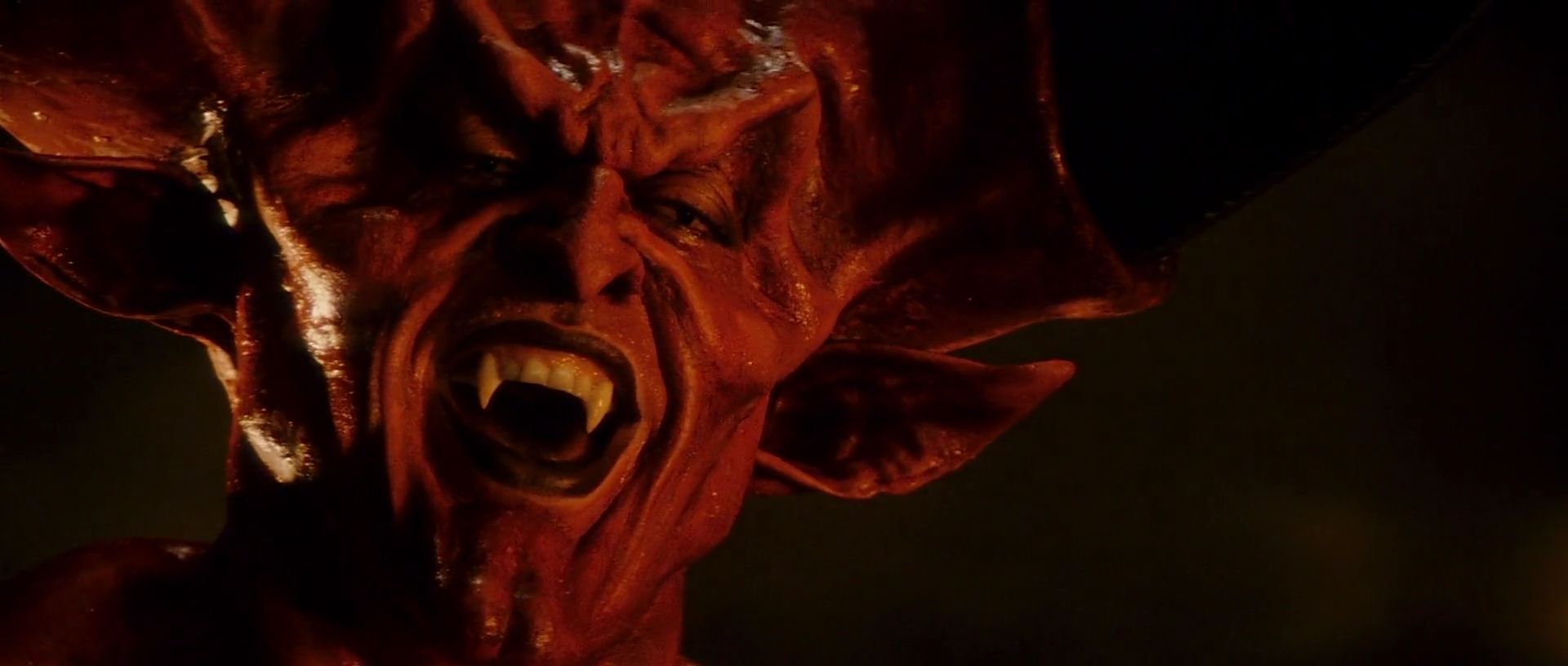
It is as good as without question that the Lord of Darkness represents not only the greatest achievement in design and make-up in Legend, but one of the most effective and iconic characters developed in fantasy cinema. The initial inspiration for the Lord of Darkness’ appearance was a William Blake painting titled “The Ghost of a Flea” (1820). The idea later came to combine that general look with elements of both a demon – notably the Lord’s cloven hooves – and a minotaur.
Part of what makes the character look so effective is his scale. The combination of the horns and the platform shoes to simulate hooves brought the 5 foot 9 inch Tim Curry to a height of 8 foot 1 inch. ‘The hooves were the whole other element of the spectacle,’ Curry wrote in his 2025 memoir. ‘They were something like a foot tall, so I had to practice walking on them like stilts.’[26]
Curry’s insistence on keeping his own eyes visible was a master stroke. It gives the character a human centre, and a point of reality at the centre of an outlandishly fantastical creature. The execution of the make-up and costume has created a monster; Curry’s performance makes him a character.
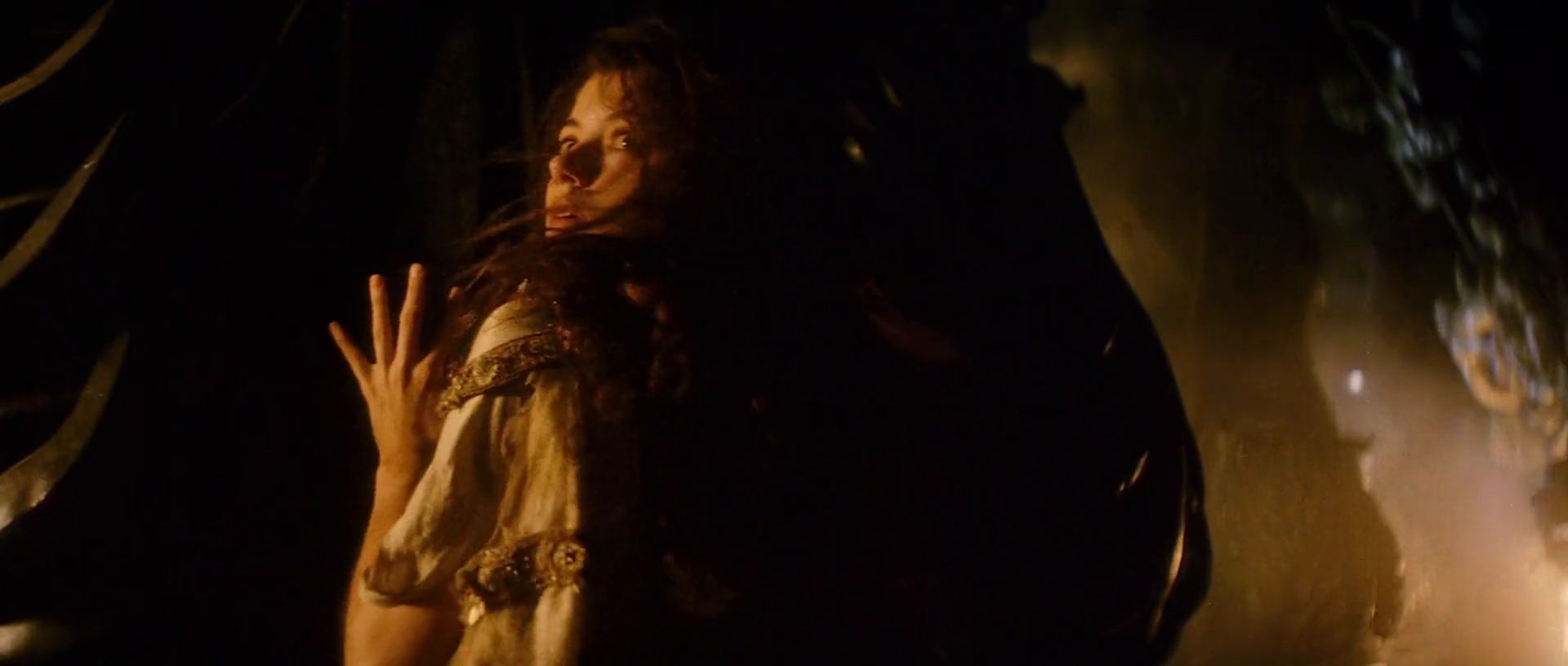
While the development process severely toned down Darkness and Lili’s interactions, what remains is still relatively intense compared to other parts of the film. Lili is costumed in a risque black dress, and seated in an ominous living chair. She feigns interest in Darkness to blunt his suspicions of her, and in the climax this enables her to free the mare before it can be sacrificed.
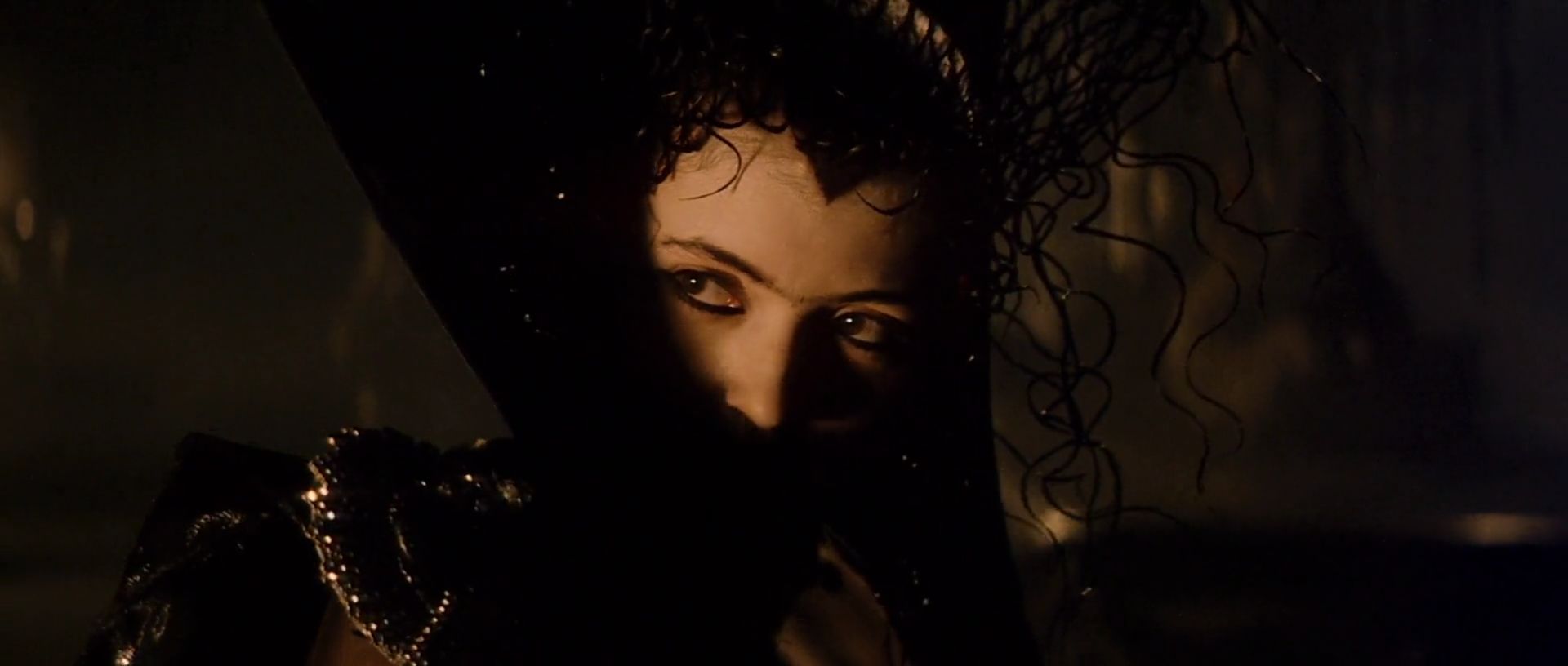
Lili’s iconic dress – as with the other costumes in Legend – was designed by Charles Knode, who had previously worked with Ridley Scott on Blade Runner. He subsequently designed for Scott’s 1492: Conquest of Paradise as well as Mel Gibson’s Braveheart (1995).
After learning that Darkness can be destroyed by daylight, Jack and Gump use platters from the castle kitchen to reflect sunlight from corridor to corridor to strike Darkness and banish him to the void. By re-attaching the stallion’s horn to its head, Gump successfully revives the unicorn. The curse is broken, the winter is dispelled, and Jack retrieves Lili’s ring from the bottom of the pond.
What one hears over the film’s closing credits depends entirely on what side of the Atlantic Ocean they watched it.
Jerry Goldsmith was hired to compose the film’s score. He was attracted to the screenplay, but did not savour working with Ridley Scott again – with whom he fought during his work on Alien (1979). ‘I told Ridley that working on Alien was one of the most miserable experiences I’ve ever had in this profession. Personally it was a really trying time for me. And he said, “What was the problem?” I said, “Ridley, you can’t communicate. I was on the picture for four months and I talked to you three times. All during the recording you didn’t say a word to me, and I need some feedback.”’[27]
A key element of Ridley Scott’s approach to film scores that infuriated Goldsmith was that Scott would use excerpts of other, earlier Goldsmith scores as temporary ‘temp’ soundtracks when editing the film. Scott would then grow attached to those temp versions, and keep them in the final film at the expense of Goldsmith’s original work. Elements of Goldsmith’s 1962 score to Freud turned up in Alien. Sequences from his 1983 Psycho II score wound up being included in Legend. ‘I don’t forgive him,’ said Goldsmith. ‘Why should I forgive him?’[28]
Scott’s first cut of Legend ran to 125 minutes, and by trimming some extraneous scenes that was then reduced to 113. It was this cut that was first screened to test audiences in California. When these screenings were met with a negative response, Universal Pictures executives – notably studio head Sid Sheinberg – insisted the film be cut further to ensure better audience interest. A particularly savage cut reduced the film to 94 minutes.
Legend premiered at the Venice Film Festival in August 1985. A French release followed within days, taking advantage of a market that had been particularly supportive of Scott’s previous features. A staggered release through Western Europe followed – Italy in September, Sweden in October, the Netherlands and West Germany in November – before a limited British release was launched at the start of December (a wide release followed in March 1986).
Universal Pictures was supposed to release the film on 8 November 1985, but at the comparative last minute studio leadership lost faith in the picture. Additional edits were made, primarily to the clockmaker’s cottage sequence, that brought the running time down again to just 89 minutes. To make the film more appealing to a 1980s teen audience, Goldsmith’s original orchestral score was replaced with an electronic soundtrack by Tangerine Dream.
‘I first saw Legend with Mr. Goldsmith’s music,’ said Tangerine Dream member Edgar Froese, ‘and I liked his introduction. He’s a fine composer – but we’re composers ourselves, and don’t forget we’re also businessmen. So we took it. Goldsmith definitely tried his best, but the people at Universal didn’t like it. That’s OK.’[29] The new score took the German band two months to complete.
‘I don’t want to talk too much about it or go into the reasons behind it,’ Scott said in 1987. ‘It wouldn’t be fair on Jerry because it would imply that what he did wasn’t right or wasn’t good enough, which was certainly not the case. I still have to make my peace with Jerry. I want to work with him again.’[30]
Scott and Goldsmith never did work together after Legend. The North American edit of the film was also supplemented by pop songs by Yes frontman Jon Anderson and Bryan Ferry.
This reshaped version of the film was finally released in the USA on 18 April 1986, but the delay gave it an immediate stench of failure. ‘It was really heartbreaking,’ said Mia Sara. ‘I took it so personally.’[31]
To the film’s credit it opened in first place, ahead of rival new releases Murphy’s Law and Wiseguys and with an opening gross of USD$4.26 million. With no significant competition in its second week it retained that lead. It was only in its third week that it slipped to fourth place, and subsequently to seventh. By the end of its theatrical run in the USA Legend had grossed a total of $15.5 million: far below the $79m earned by Alien, or even the $27.6m earned by Blade Runner.
Critical opinion was broadly negative. The film’s reputation, at least among Scott’s early features films, settled down to be ‘the terrible one’. The discovery of a previously lost print of an earlier extended print in 2000 – and its subsequent home video release in 2002 – did go some way to improve Legend’s standing, but it does remain something of an afterthought among Scott’s more famous works.
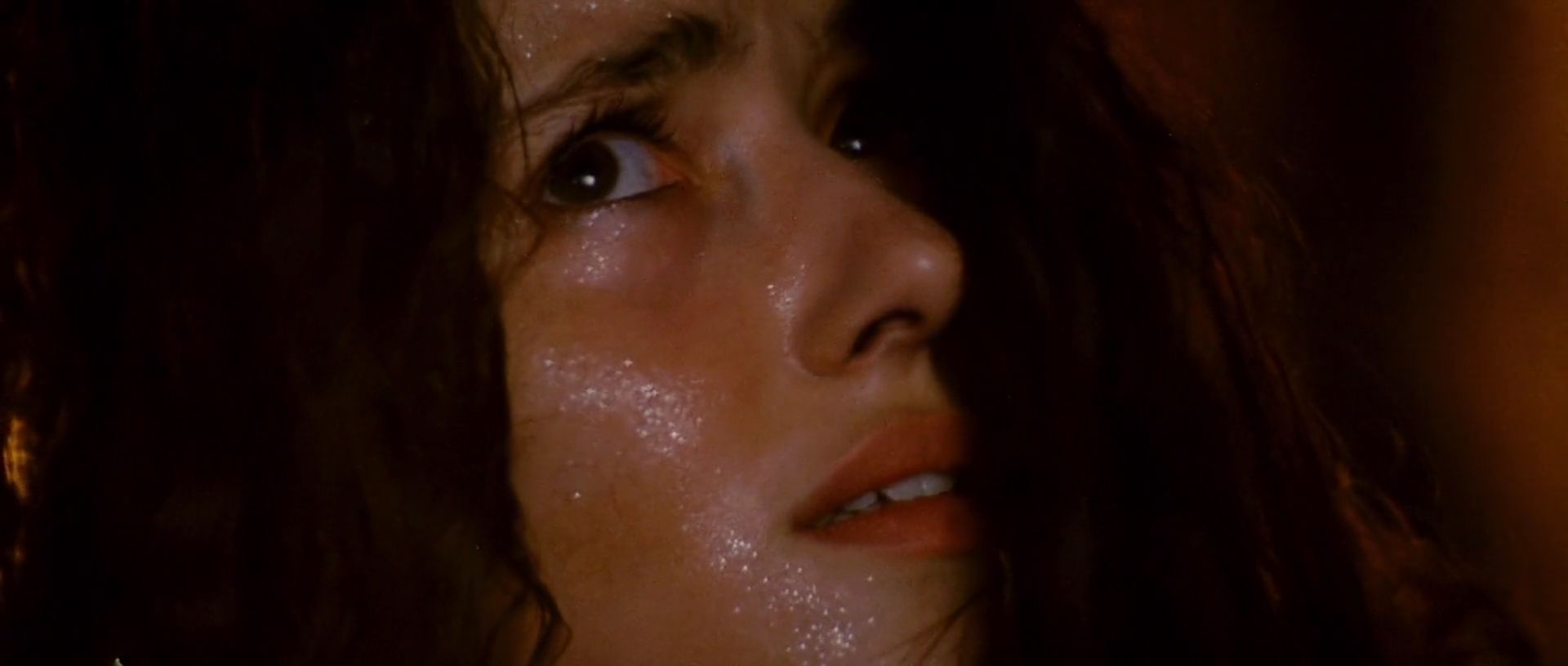
There is a tendency I think to undervalue Legend’s merits, and that tendency most likely comes from assessing the film within the milieu of Ridley Scott’s other screen works rather than from the fantasy cinema of the time. Putting aside Scott’s excellent debut film The Duellists aside, Legend was the third of the director’s films for a mainstream audience and the first that was not a richly detailed, deliberately grounded science fiction film. Both Alien and Blade Runner are typified by dirty, ‘lived-in’ environments, populated by various working class or professional characters grumbling about their working conditions or salaries. It would be difficult to imagine a more sharply contrasting proposition than Legend, with its heightened, mythical characters and deliberately scaled-back, folkloric storyline. The typical visual flair and aesthetic texture of a Scott picture remain, but they have been constructed to very different ends.
It is notable that the commercial failure of Blade Runner and then Legend appeared to force a retreat in Scott’s approach to filmmaking – at least temporarily. Scott remarked: ‘at the end of that, somebody said to me, “Why don’t you come to your senses and do something normal?” [Laughs] I said, “I thought that was normal!”’[32]
While Scott’s strong visual sense remained, he followed Legend with a string of more contemporary, straightforward dramas and thrillers: Someone to Watch Over Me in 1987, Black Rain in 1989, and Thelma & Louise in 1991, White Squall in 1996, and G.I. Jane in 1997. Among his 20th century works it is really only his unsuccessful 1992 biographical film 1492: Conquest of Paradise that demonstrates a particular flair for otherworldly mise-en-scene. While Scott returned to the science fiction genre in 2012 with Prometheus, and again in 2015 and 2017 with The Martian and Alien: Covenant, he never again dabbled with fantasy cinema. His much-delayed Tristan & Isolde project was ultimately directed by Kevin Reynolds in 2006; Scott and his brother Tony produced.
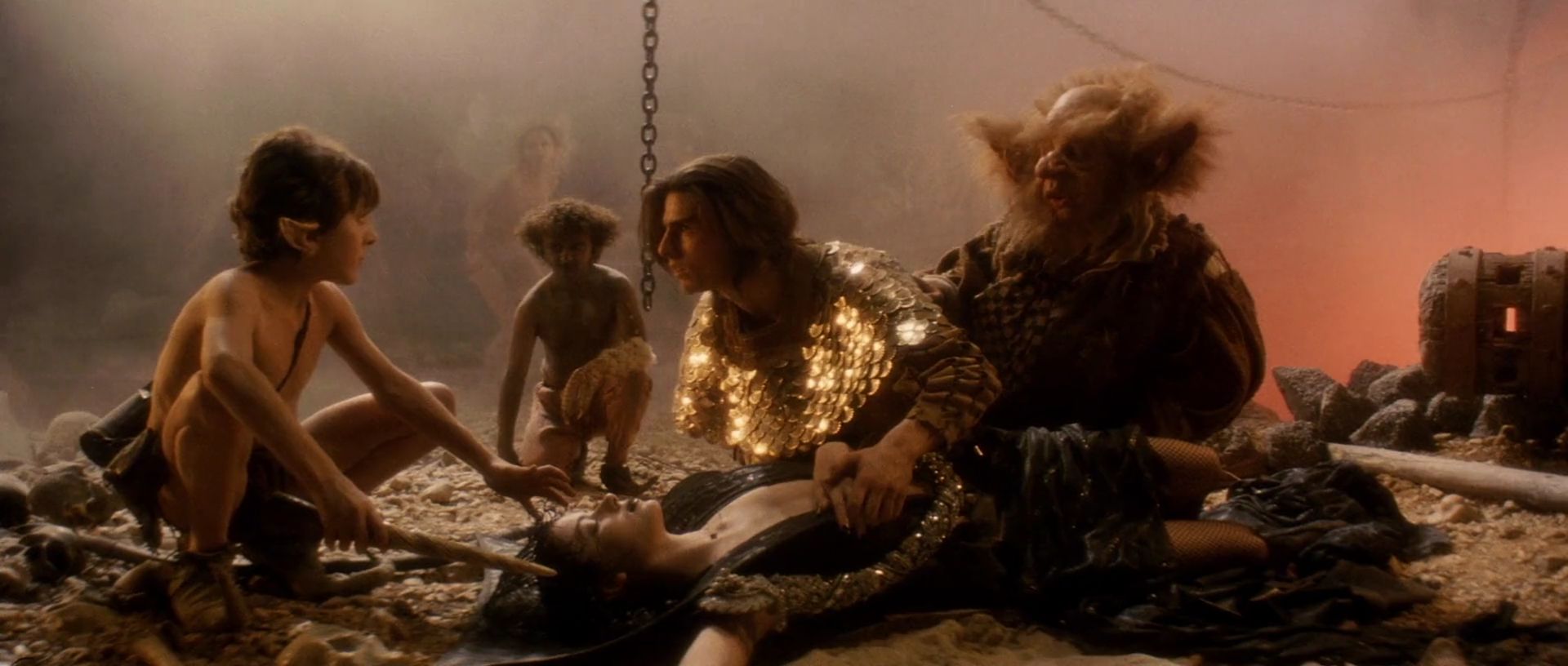
Outside of Scott’s own filmography, and considered among other studio features of the 1980s, Legend would appear to form part of a key ‘second wave’ of American fantasy cinema. The fantasy genre had not been extensively exploited during the previous decade, save for a few British imports like The Golden Voyage of Sinbad (1974) and Sinbad and the Eye of the Tiger (1977). The overwhelming success of Star Wars in 1977 had, however, stimulated studio interest in visual effects-driven genre cinema. That interest soon expanded from science fiction features to fantasy ones – albeit with mixed commercial success.
In 1981 audiences were presented with a triple hit of fantasy features: Desmond Davis’ Clash of the Titans, Matthew Robbins’ Dragonslayer, and John Boorman’s Excalibur. All based on mythology and unforgiving ancient environments. While Clash of the Titans was very much a high-budget hangover from the Sinbad era, both Dragonslayer and Excalibur took a particularly dark and grim approach to the genre. That darker interpretation of fantasy continued in 1982 through John Milius’ Conan the Barbarian and Jim Henson and Frank Oz’s The Dark Crystal, as well as lower-budgeted efforts like Don Coscarelli’s The Beastmaster and Albert Pyun’s The Sword and the Sorcerer.
By 1984 there was a clear transition occurring. Conan the Barbarian got a much brighter and comic book-inspired sequel, Conan the Destroyer (directed by Richard Fleischer). More importantly the year saw the release of literary adaptations The Company of Wolves (directed by Neil Jordan) and The Neverending Story (directed by Wolfgang Petersen). The mythic was replaced by the folkloric. Legends were traded for fairy tales.
Legend’s original release in 1985 saw it brush shoulders with Richard Donner’s Ladyhawke and Walter Murch’s Return to Oz, and Jim Henson’s Labyrinth followed in 1986. Rob Reiner’s The Princess Bride was released in 1987. By 1988 – and the release of Ron Howard’s Tolkien-Star Wars pastiche Willow – the 1980s fascination with fantasy cinema was essentially spent.
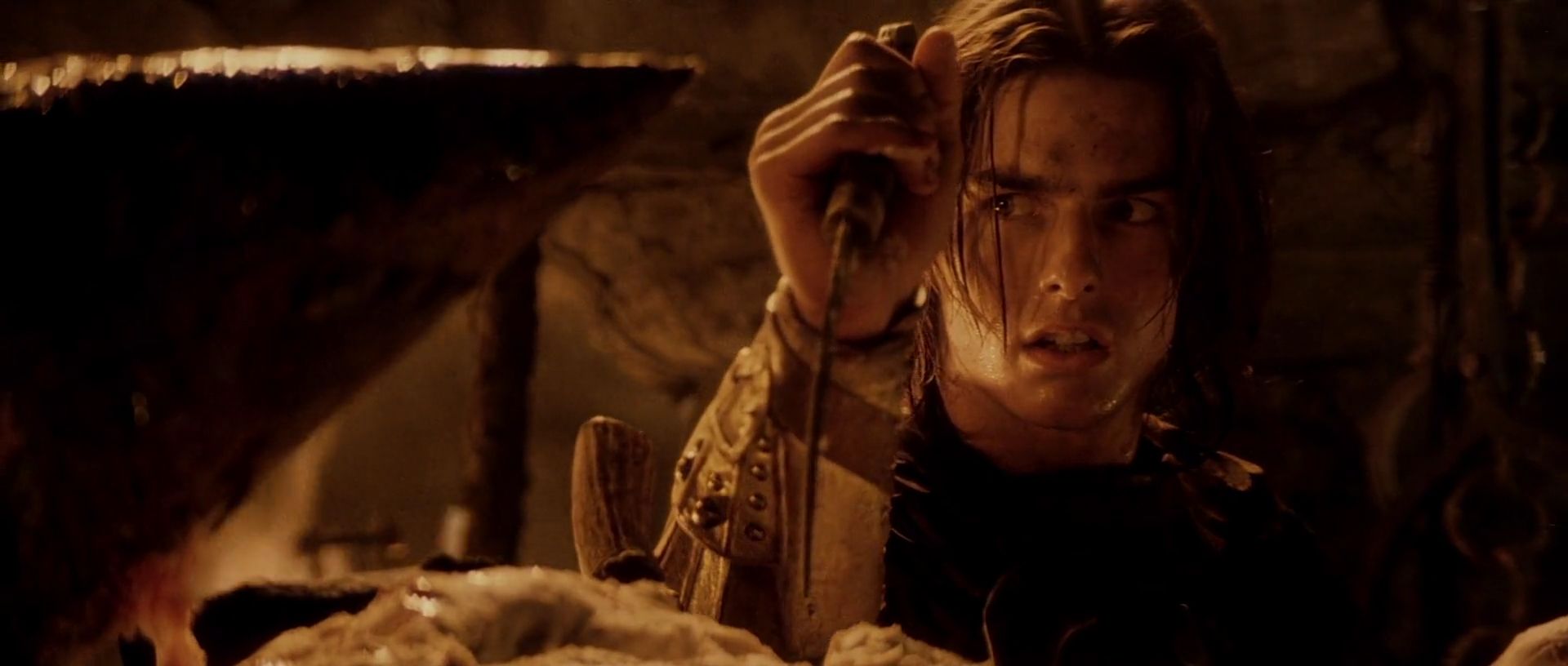
Commercial success in the genre was far from guaranteed. The Neverending Story and Willow were both reasonably successful, while The Princess Bride and The Company of Wolves at least seemed to break even during their theatrical run. Legend, Ladyhawke, Labyrinth, and Return to Oz all failed.
What is interesting about this particular generation of fantasy films is that they all benefited from a relatively new entertainment phenomenon: home video. While the technology had broken into American markets in the mid-1970s with the rival formats VHS and Betamax, it had taken about a decade for it to reach widespread market penetration. Feature films that previously could only be re-seen via television or selected theatrical screenings could be purchased or rented for viewing in the home. Films that had completely failed to break even in cinemas were suddenly afforded a second chance, and for many of them the home video sector was where they finally found mainstream success.
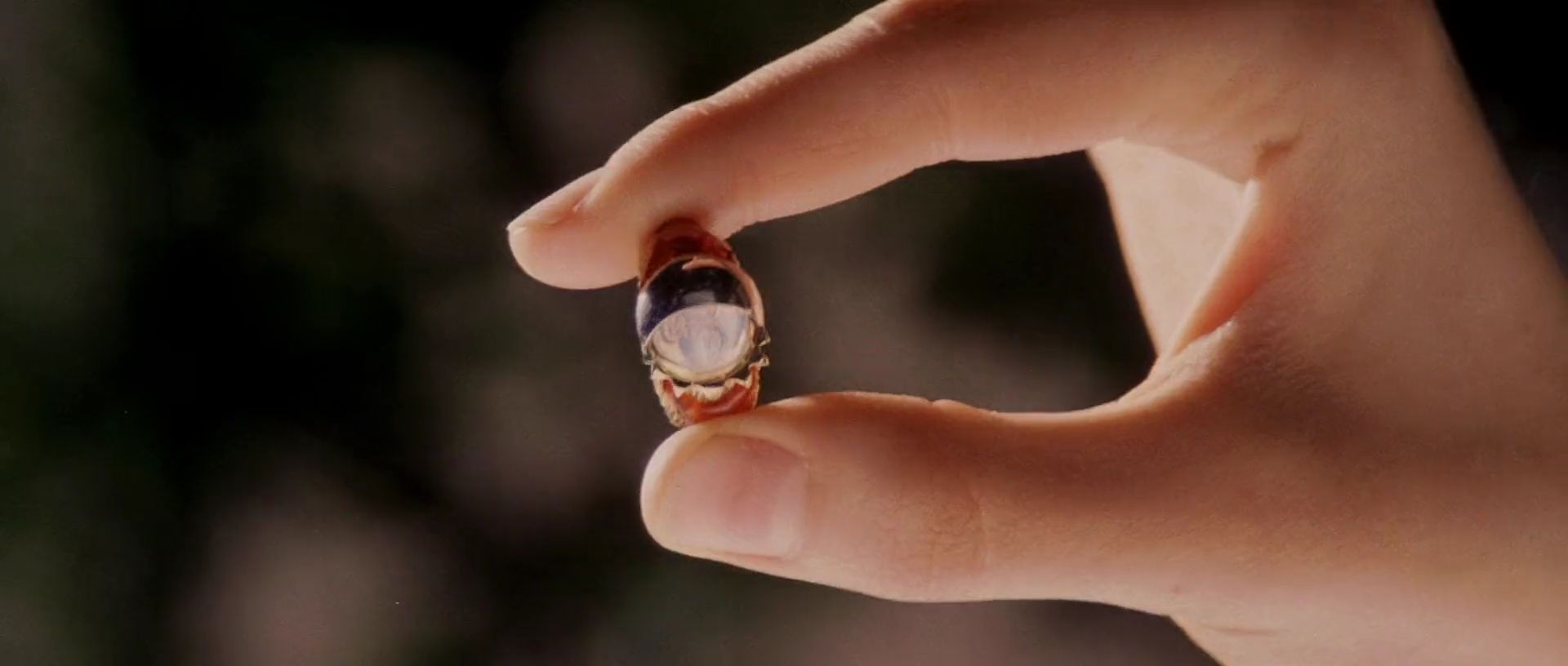
While The Princess Bride and Labyrinth, for example, became perennial popular favourites through home video, it is arguable that Legend never completely found its audience. Even the 2002 release of a rediscovered extended cut, running to 113 minutes and with Jerry Goldsmith’s full orchestral score, seemed to be met more with curiosity than excitement.
Legend stands as a comparatively unique feature with a dedicated cult audience. It feels distinct from Ridley Scott’s other screen works, and also somewhat affected retro-actively by Tom Cruise’s subsequent movie star career. Its odd situation with the pop culture of its time is what makes it such a distinctive and memorable film. There really is not another one like it.
[1] Ed Power, “Ridley Scott’s beautiful dark twisted fantasy: the making of Legend”, The Telegraph, 30 September 2015.
[2] Alan Jones, “Legend”, Cinefantastique, Vol 15 No 5, January 1986.
[3] François Guérif, Alain Garel, “Ridley Scott”, Revue du Cinema, October 1985.
[4] Alan Jones, “Legend”, Cinefantastique, Vol 15 No 5, January 1986.
[5] William Hjortsberg, “Legend making”, in Legend of Darkness, Harvest Moon Publishing, 2002.
[6] Alan Jones, “Legend”, Cinefantastique, Vol 15 No 5, January 1986.
[7] Ed Power, “Ridley Scott’s beautiful dark twisted fantasy: the making of Legend”, The Telegraph, 30 September 2015.
[8] Alan Jones, “Legend”, Cinefantastique, Vol 15 No 5, January 1986.
[9] William Hjortsberg, “Legend making”, in Legend of Darkness, Harvest Moon Publishing, 2002.
[10] Quoted in “Fairy Telling”, Starburst, Vol 8 No 3, November 1985.
[11] Marina Watts, “Mia Sara reflects on working with ‘weird guy’ Tom Cruise on Legend”, Entertainment Weekly, 26 June 2026.
[12] Randy and Jean-Marc L’Officier, “Tom Cruise: Fairy tale hero”, Starlog 107, June 1986.
[13] Christopher Connelly, “Tom Cruise: Winging It”, Rolling Stone, 19 June 1986.
[14] Cameron Crowe, “Hot shot in Top Gun”, Interview, May 1986.
[15] Adam Pirani, “Ridley Scott: The nightmare of fantasy filmmaking”, Starlog 107, June 1986.
[16] Randy and Jean-Marc L’Officier, “Tom Cruise: Fairy tale hero”, Starlog 107, June 1986.
[17] François Guérif, Alain Garel, “Ridley Scott”, Revue du Cinema, October 1985.
[18] William Rapkin, “Tim Curry: eight-foot tall, bright red demon”, Starlog 106, May 1986.
[19] Steve Biodrowski, “Legend make-up”, Cinefantastique, Vol 15 No 5, January 1986.
[20] James Hibberd, “Ridley Scott will never stop directing”, Hollywood Reporter, 7 November 2024.
[21] Steve Biodrowski, “Legend make-up”, Cinefantastique, Vol 15 No 5, January 1986.
[22] François Guérif, Alain Garel, “Ridley Scott”, Revue du Cinema, October 1985.
[23] François Guérif, Alain Garel, “Ridley Scott”, Revue du Cinema, October 1985.
[24] François Guérif, Alain Garel, “Ridley Scott”, Revue du Cinema, October 1985.
[25] Steve Biodrowski, “Legend make-up”, Cinefantastique, Vol 15 No 5, January 1986.
[26] Tim Curry, Vagabond, Grand Central Publishing, New York, 2025.
[27] Randall D. Larson, “The Musics for Legend”, Cinemascore 15, Spring/Summer 1987.
[28] Randall D. Larson, “The Musics for Legend”, Cinemascore 15, Spring/Summer 1987.
[29] Steven Smith, “Legends: Tangerine Dream knows the score”, Los Angeles Times, 4 July 1986.
[30] Randall D. Larson, “The Musics for Legend”, Cinemascore 15, Spring/Summer 1987.
[31] Marina Watts, “Mia Sara reflects on working with ‘weird guy’ Tom Cruise on Legend”, Entertainment Weekly, 26 June 2026.
[32] Ryan Lambie, “Ridley Scott interview: The Martian”, Words by Ryan Lambie, 6 March 2024.


Leave a Reply