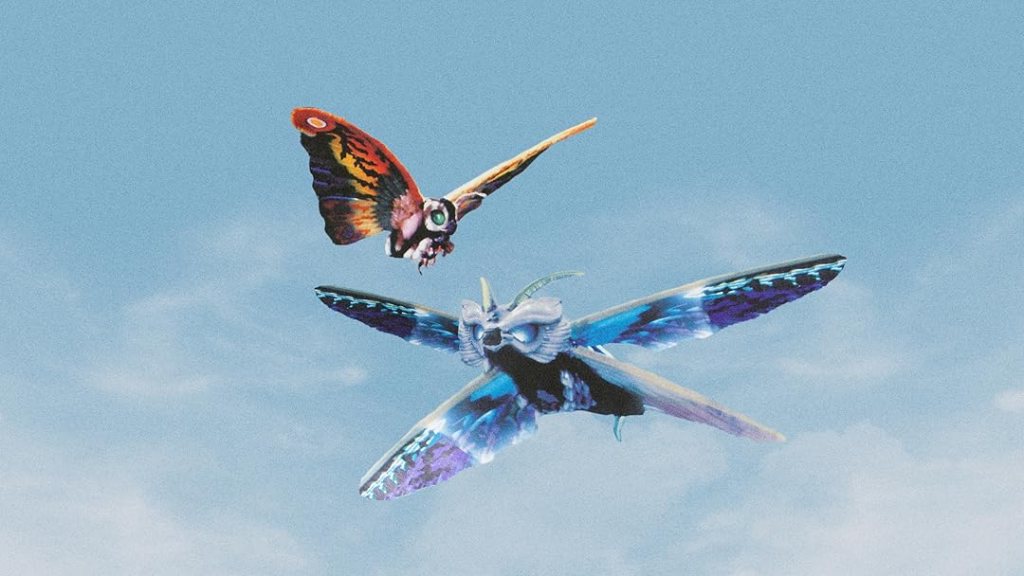
I do not think there is a giant monster I love more than Mothra. Sure, Godzilla has the iconic position in pop culture, and Gamera benefitted from the best 1990s revival, but there is something about a giant rainbow-coloured moth that simply amuses me the most. Mothra’s titular debut came in 1961, and that remains a bona-fide classic of kaiju cinema, but in the mid-1990s Mothra – like Gamera – received a trilogy of re-imagined revival films.
Known internationally as the Rebirth of Mothra trilogy, these three films are aimed specifically at an audience of children. The stories are simple, the budgets seem particularly low, and they have an innocent tone that separates them from their genre as a whole. The closest you can get to them in earlier generations is the original run of Gamera pictures, that were aimed a similarly juvenile audience.
Rebirth of Mothra II (1997) is kicked off by the emergence of Dagahra, a giant sea-borne reptile and host to a large population of dangerous starfish. It was created by the ancient Nirai Kanai civilization to keep the oceans clean, but rising human pollution have seen it go wildly out of control. Cue Mothra to defeat Dagahra, and cue a trio of precocious children to undergo a mission to a secret pyramid to uncover the secret of the Nirai Kanai.
The narrative of this Mothra sequel is wilfully all over the place, featuring giant monster battles, ancient prophecies, rival fairies, starfish invasions, trap-filled ancient ruins, and cuddly monster sidekicks. Its scope and ambition vastly exceed its production capacity, resulting in a film that looks cheaper than the sort of Super Sentai half-hour shows on Japanese television at the time. The monster sidekick feels particularly egregious: essentially a fuzzy Pokémon rip-off that can cure injuries by urinating on people. The acting is broad in a way that reflects the cast’s disinterest in quality. Miyoshi Kunio’s direction is of a bare minimum in quality.
When Mothra and Dagahra fight, there is an immediate enjoyment to be had that comes with every Japanese giant monster, or kaiju, movie. Whenever anything else is happening, the film is seriously a trial. Were it not for Mothra’s presence, this would have come and gone without anybody outside of Japan even knowing it had been there.
A bad film is a bad film, but it always seems a more annoying state of affairs when the film is made for children. There is a constant attitude that risible content can be excused, because children rarely know any better, but in my experience the opposite is true. Kids know trash when they see it, and with limited experience is cinema they deserve the best they can get. Rebirth of Mothra II should not just be a disappointment to them; it’s an insult to them as well.
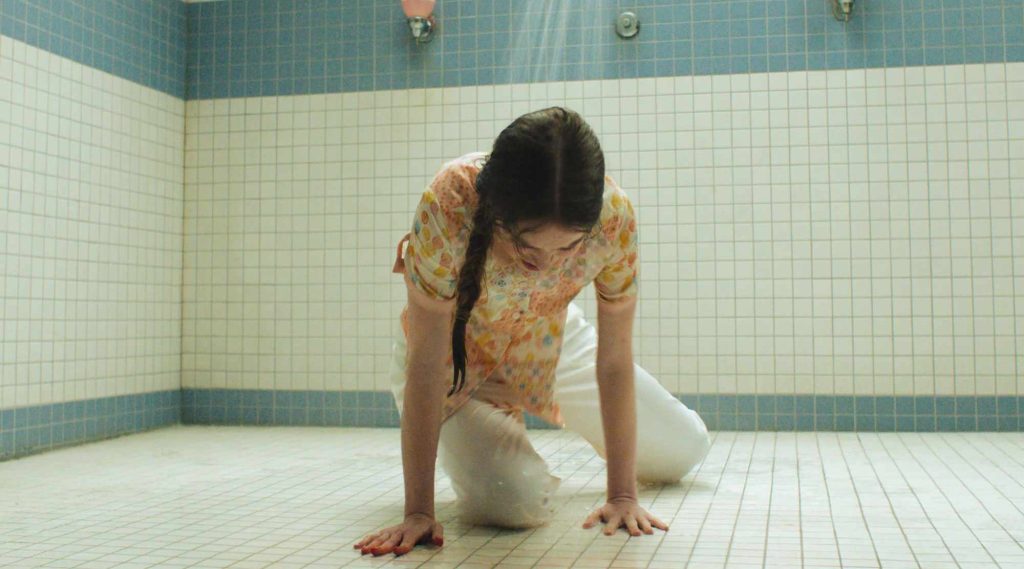
The film marks the debut of actor Mitsushima Hikari. While her performance as Shiori is nothing exceptional here, she did go on to much better acclaim as an adult in Death Note and its sequel (2006), Love Exposure (2008), Villain (2010), and Hara-Kiri: Death of a Samurai (2011).



Leave a Reply