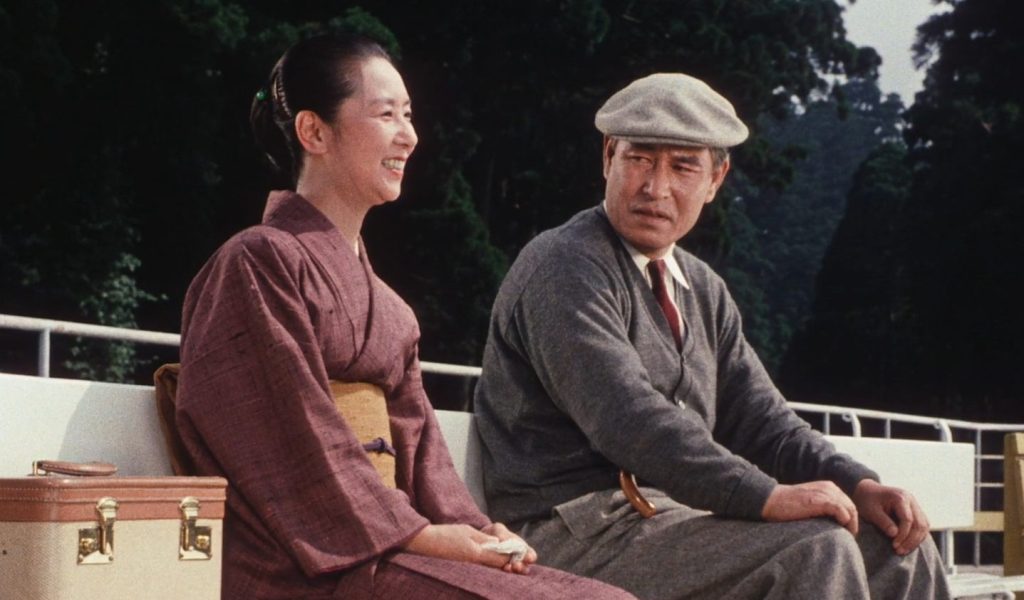
Each year I put together a Top 10 list, counting down my favourite films from the previous year. It is essentially a list of recommendations to readers, rather than any attempt at something authoritative. Of course every year I watch a lot of older films among the new, and today’s list is an attempt to rank and recommend them as well. These are the best older films I discovered in 2025.
To qualify for this list: I needed to watch the film for the first time in 2025, and the film had to have been first released five years ago or more.

10. The Woman in Black
(1989, UK, d. Herbert Wise.)
This made for television film came with a sterling script by British TV legend Nigel Kneale. In my review, I wrote: ‘While the rest of this 1989 made-for-TV film is an effectively played and composed period ghost story, it is in individual moments that it transcends its overall production and becomes something enormously effective.’

9. Passport to Pimlico
(1949, UK, d. Henry Cornelius.)
I was remiss in writing up a review after watching this charming Ealing Studios comedy, in which an unexploded Nazi bomb leads to the discovery of a tranche of historical documents suggesting a London suburb might technically be part of France instead. It’s a comic delight, but its real achievement is how it tackles the frustrations of post-war rationing and recovery in the UK.
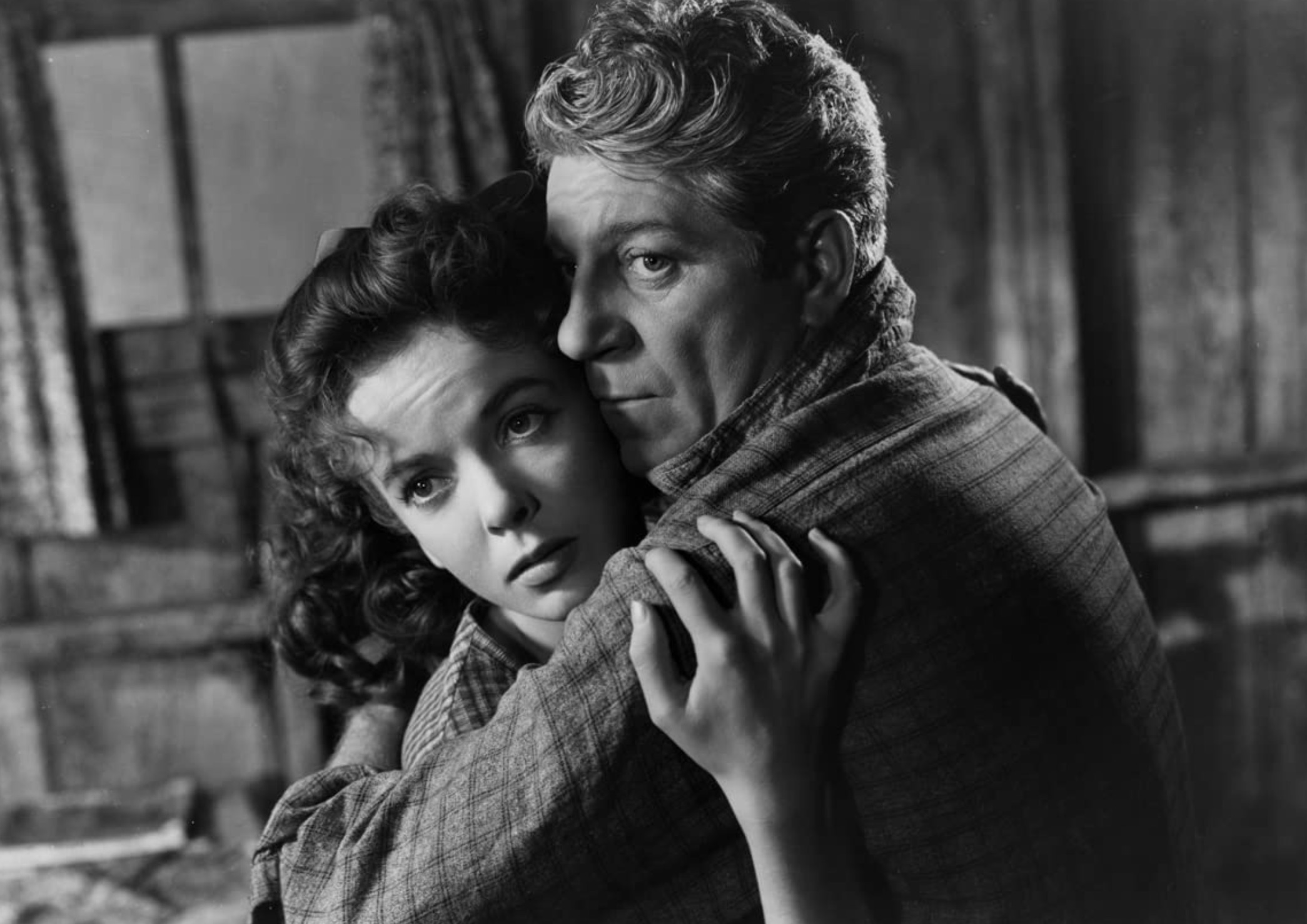
8. Moontide
(1942, USA, d. Archie Mayo.)
This noir-style thriller was a tremendous vehicle for French actor Jean Gabin. In my review I wrote: ‘Gabin and Lupino are tremendously watchable and charismatic on screen. Gabin in particular is adorably watchable, and represents a significant missed chance for American cinema: had Moontide found an audience at the time, there is a good chance we would have seen a lot of interesting English-language films from the actor.’
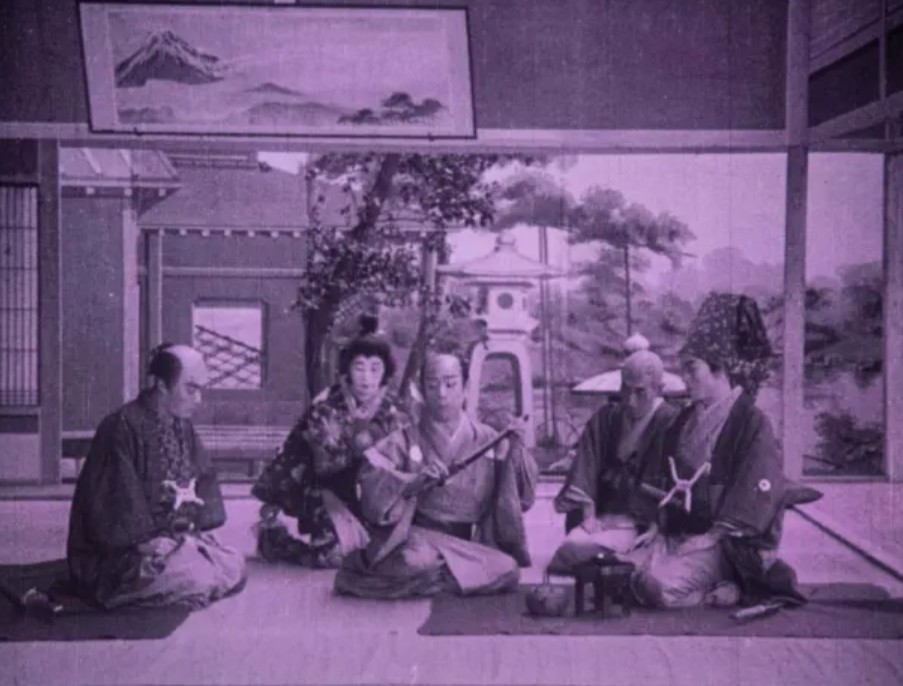
7. Chusingura
(1910, Japan, d. Makino Shozo.)
It is unfair to try and rank Makino Shozo’s 47 ronin adaptation against other films I saw in 2025. For one thing, it’s a silent film intended to be screened with live narration. For another, it exists in a compromised state – we’re lucky to have any footage of Japan’s earliest feature film at all. Still, there is a tremendous fascination to be found in exploring cinema’s earliest era. I wrote an entire essay about Chusingura just last week.

6. Yokohama BJ Blues
(1981, Japan, d. Kudo Eiichi.)
Raymond Chandler’s The Long Goodbye adapted into a Japanese noir, with a dramatic infusion of yakuza. A great Radiance bluray edition finally brought this under-seen classic to an English-speaking audience. In my review I wrote: ‘Yokohama BJ Blues is a deeply original and surprisingly effective neo-noir: seemingly unique in tone, attractive to watch, and fascinating to watch unfold.’

5. Nova Seed
(2016, Canada, d. Nick DiLiberto.)
Imagine making an entire 65-minute science fiction animation. Nick DiLiberto’s Nova Seed is a mad patchwork of scrappy design and vivid colour. From my review: ‘ It is a deceptive film in that regard: the longer it is viewed, the more impressive it appears. There is a strong sense of French bandes-desinees about the film, and I have little doubt anthology magazine Metal Hurlant provided a fair amount of inspiration.’
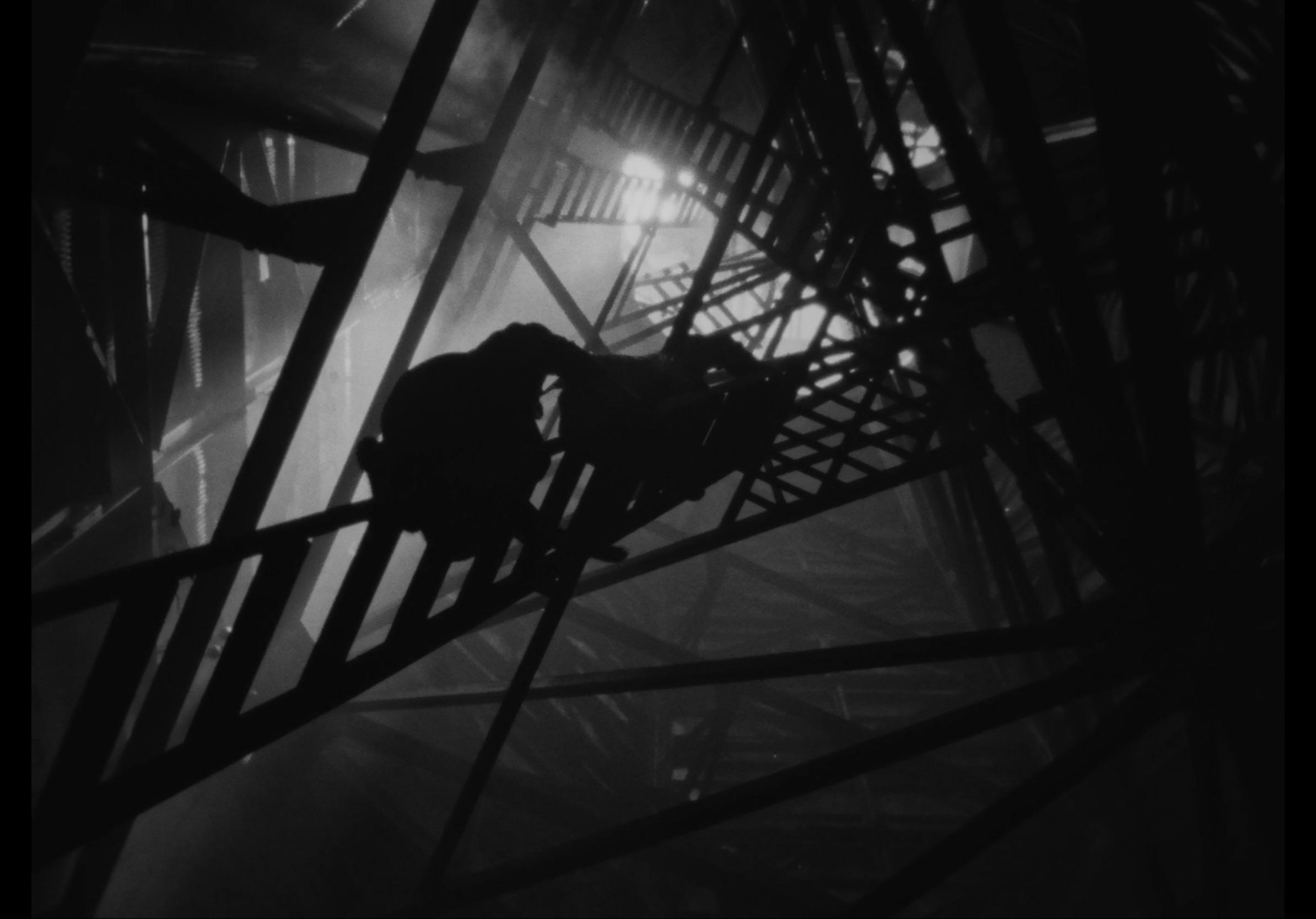
4. To Sleep So As To Dream
(1986, Japan, d. Hayashi Kaizo.)
Hayashi Kaizo, untrained and inexperienced, directed this astounding independent film in 1986, inspired by Japanese silent cinema while riffing from old-fashioned detective stories. Like Yokohama BJ Blues, it has benefitted from an overdue English-subtitled bluray release (this time from Arrow Video). As my review states, it is ‘a jaw-dropping exercise in nostalgia, post-modernist reflection, and cinema history.’

3. Illegal
(2010, Belgium, d. Olivier Masset-Depasse.)
An illegal immigrant from Eastern Europe is arrested by Belgian authorities and separated from her 12-year-old son. Illegal is a deeply powerful drama that tackles social issues with a strong sense of humanity. From my review: ‘ It feels intimate and personal, and is grounded by a sensational lead performance, but it is also highly political and sharply critical of the Belgian government’s treatment of both immigrants and refugees.’
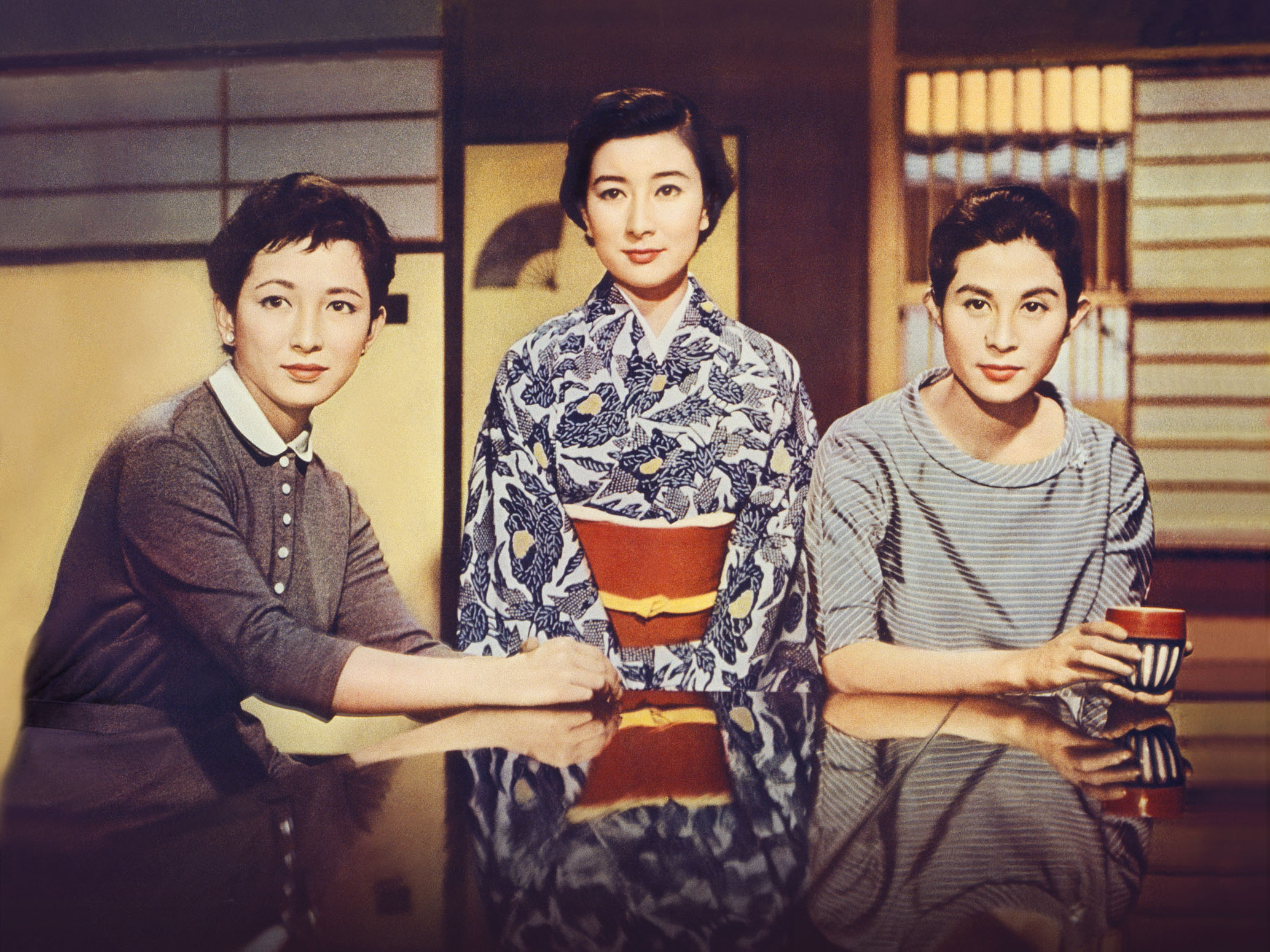
2. Equinox Flower
(1958, Japan, d. Ozu Yasujiro.)
Ozu was a national treasure of Japan’s, and one of cinema’s all-time greatest filmmakers. Every time I view another of his superbly crafted dramas it represents as a finely crafted gem. From the review: ‘Ozu’s films work so well because he focuses so closely on screenplay and performance. He established a visual aesthetic early on, and stuck to it with a near-religious fidelity. He never engaged in hyperbole or exaggeration, and instead allowed his characters to interact in believable and seemingly authentic ways.’
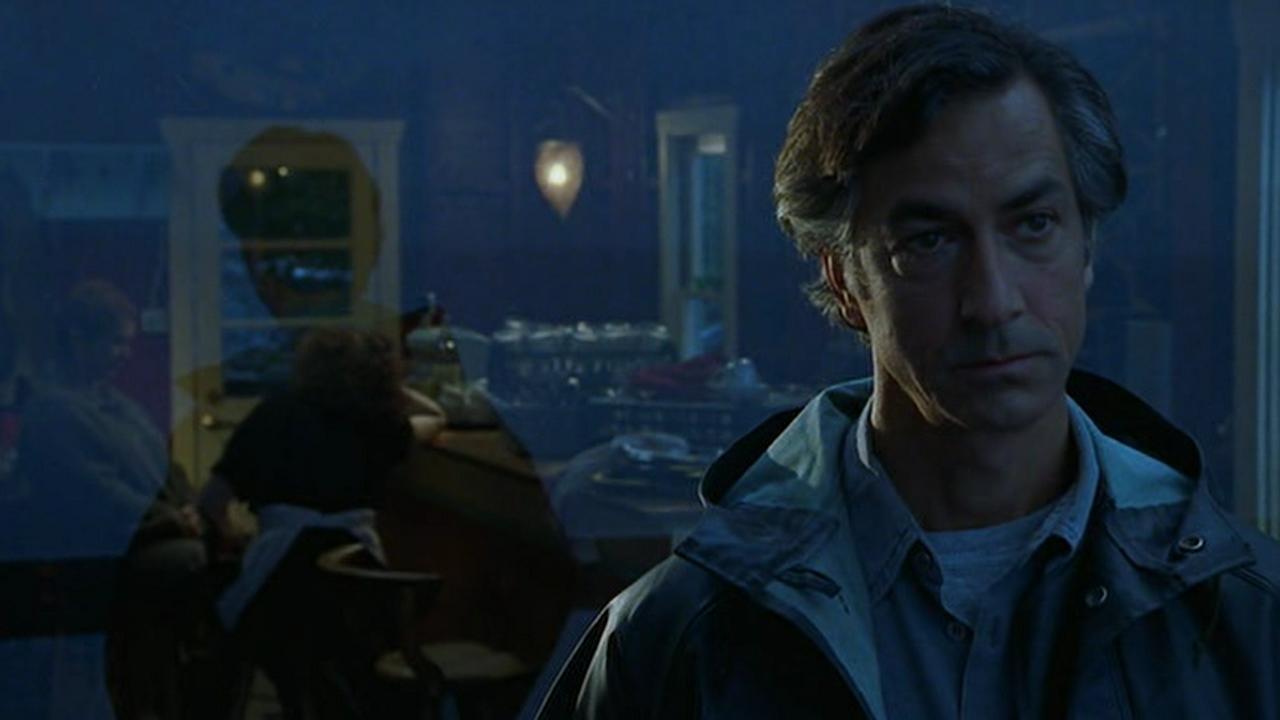
1. Limbo
(1999, USA, d. John Sayles.)
I run a sporadic column of reviews, titled Masterpiece, that highlights the very best of older films, and generally I am inspired to write one whenever I rewatch a personal favourite. Limbo marks the first time I watched a film for the first time, and was immediately inspired to add it to the Masterpiece list. This 1999 American drama just floored me with its script, its performances, its everything.
From my review: ‘There is honestly no way of forecasting the film that makes up Limbo‘s second half from watching the first. It transforms its focus, tone, and to be honest its entire genre halfway, and it does so without any moment of shock, or a narrative twist, or even an unexpected surprise. The agility with which it redirects its characters and reframes their surroundings is genuinely masterful. Everything moves in logical ways. Every narrative choice is quietly earned.’
 FictionMachine.
Leave a comment