
The Taste of Things is a godsend for fans of French cinema and culture, and particularly French cuisine. Indeed I am close to describing it as suitable exclusively for fans of French cuisine, since the physical act of cooking forms at least half of the film’s considerable running time. The remaining half is largely dedicated to eating said cuisine among a small group of 19th century gourmands. There is a romance that is central to the film, but it is – like the rest of the action – slowly and meditatively paced, and remarkably subtle.
The film, by Vietnamese-born director Tran Anh Hùng, focuses on culinary artist Dodin (Benoît Magimel), whose lavish planned banquets are made by his live-in cook and lover Eugénie (Juliette Binoche). He has proposed marriage many times but she demurs, preferring to continue their existing relationship rather than unbalance the status quo. Eugénie works with an assistant, Violette (Galatea Bellugi), and with Dodin she discusses bringing on a new apprentice: a local girl named Pauline (Bonnie Chagneau-Ravoire).
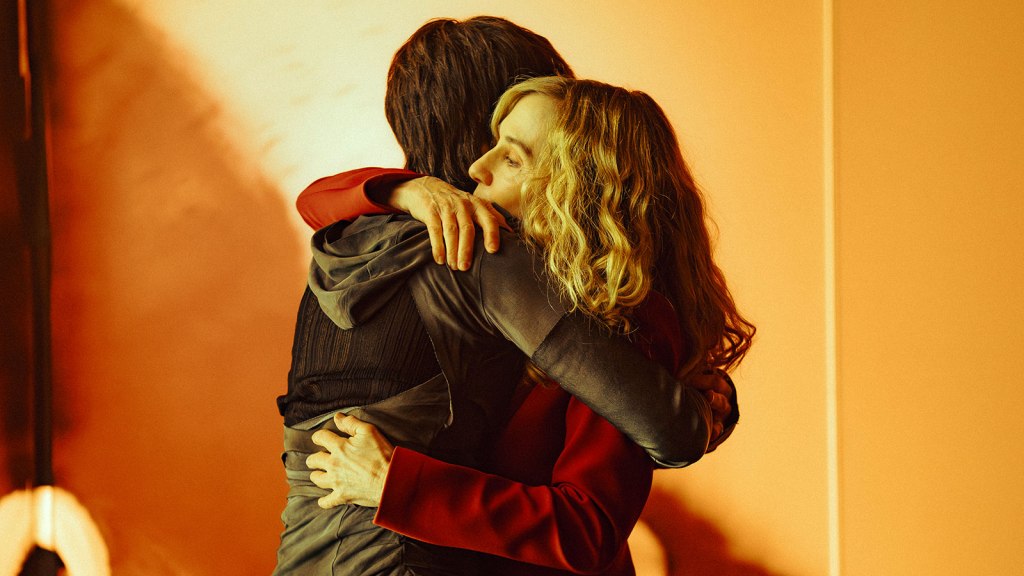
This is easily one of the most beautifully shot films of recent years, with a visual richness that feels almost unparalleled. At its most luxuriant, with sharp golden rays of Autumn sunlight puncturing through windows, it bears a resemblance to a Caravaggio painting. Tran lingers on this sort of saturated imagery with slow tracking shots courtesy of cinematographer Jonathan Ricquebourg. Add in attractive costuming, set, and locations, and aesthetically at least The Taste of Things is a genuine pleasure. It is little wonder Tran was awarded Best Director at Cannes.
Of course the extended scenes of cooking may not be so enticing if one does not enjoy traditional French food. Fats and creams abound, as does the sheer quantity of meats variously fried, roasted, and boiled. Foie gras, widely considered an actively cruel culinary practice, gets a brief look-in. For all of the film’s delicately composed merits, one’s attitude to the meals being consumed will more likely dictate the likelihood of them enjoying the film. More than a few reviews out of Cannes included intended bon mots about vegans needing to stay away. In fact, vegan viewers should be genuinely warned than the dishes served here will potentially be actively offensive to them. Skip the relevant scenes, and The Taste of Things would practically be an extended short.
While at times it does feel that the human performances are at risk of playing second fiddle to the food, they are exceptional. It is difficult not to dwell on Juliette Binoche, an actor who hardly need further praise for her talents, who matches the subdued tone of the overall tone with subtlety and grace. She is tremendous here. Similarly Benoît Magimel provides Dodin with a quiet warmth that the script perhaps struggles to instill on its own. Among Dodin’s cadre of food-loving friends are a number of excellent French actors including Emmanuel Salinger (Planetarium) and Patrick d’Assumçao.
It is important to acknowledge two key things about The Taste of Things. The first is that it is a very particular kind of a film, with distinct rhythms and cadence, and there is a reasonable chance that less patient viewers – or those disinterested in food – may not find an enjoyable experience here. The second is that on its own terms, considering what Tran is aiming to create and what he has achieved, it is a masterful work of cinema. I believe its target audience will find it utterly entrancing.


 FictionMachine.
Leave a comment